


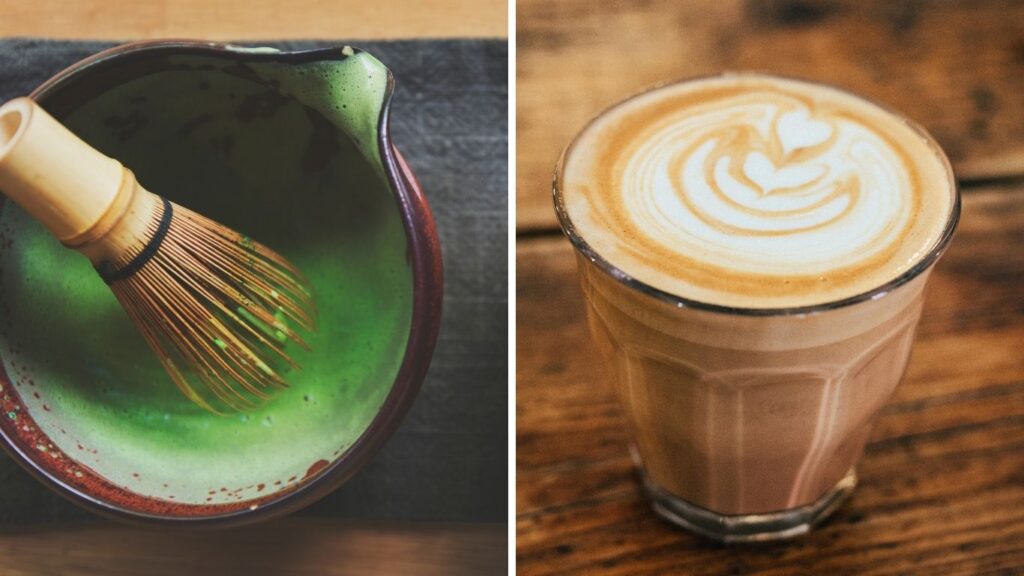
If you’ve ever stood at a café counter and felt torn between ordering your usual coffee and trying that vibrant green matcha latte, you’re not alone. These two beloved drinks have a lot in common — they’re both warm, caffeinated, and deeply rooted in culture and ritual. But they’re also surprisingly different in how they make you feel, taste, and function throughout the day.
At Lighthouse Coffee, we love both. So we thought it was time to settle the debate once and for all — or at least give you everything you need to make the call yourself.
What is Matcha, Exactly?
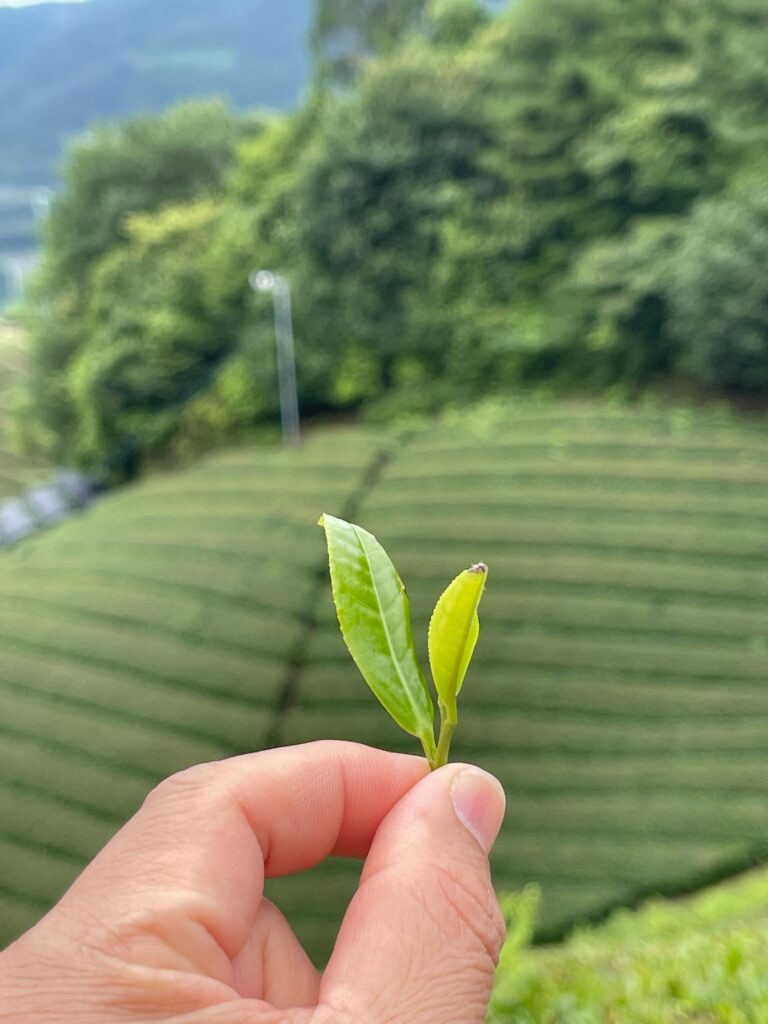
Matcha is a type of powdered green tea that originated in Japan. Unlike a regular steeped green tea where you discard the leaves, matcha is made by grinding shade-grown tea leaves into a fine powder, which you then whisk directly into hot water or milk. That means you’re consuming the whole leaf — and with it, a more concentrated dose of everything green tea has to offer.
The result is a vivid, earthy drink with a naturally creamy texture and a flavor that balances grassy bitterness with a subtle sweetness. High-quality ceremonial-grade matcha has a smooth, almost umami richness that’s nothing like the bitter green tea you might be imagining.
What Makes Coffee, Coffee?
You probably don’t need an introduction to coffee, but it’s worth appreciating what makes it so special. Coffee is brewed from roasted coffee beans, with flavor profiles that vary enormously depending on origin, roast level, and brew method. From a bright, fruity Ethiopian pour-over to a dark, chocolatey espresso, coffee is one of the most complex and diverse flavor experiences in the world.
Beyond taste, coffee is a daily ritual for billions of people — a reliable source of warmth, focus, and comfort that’s deeply woven into how we start our mornings and punctuate our afternoons.
Caffeine: The Numbers Might Surprise You
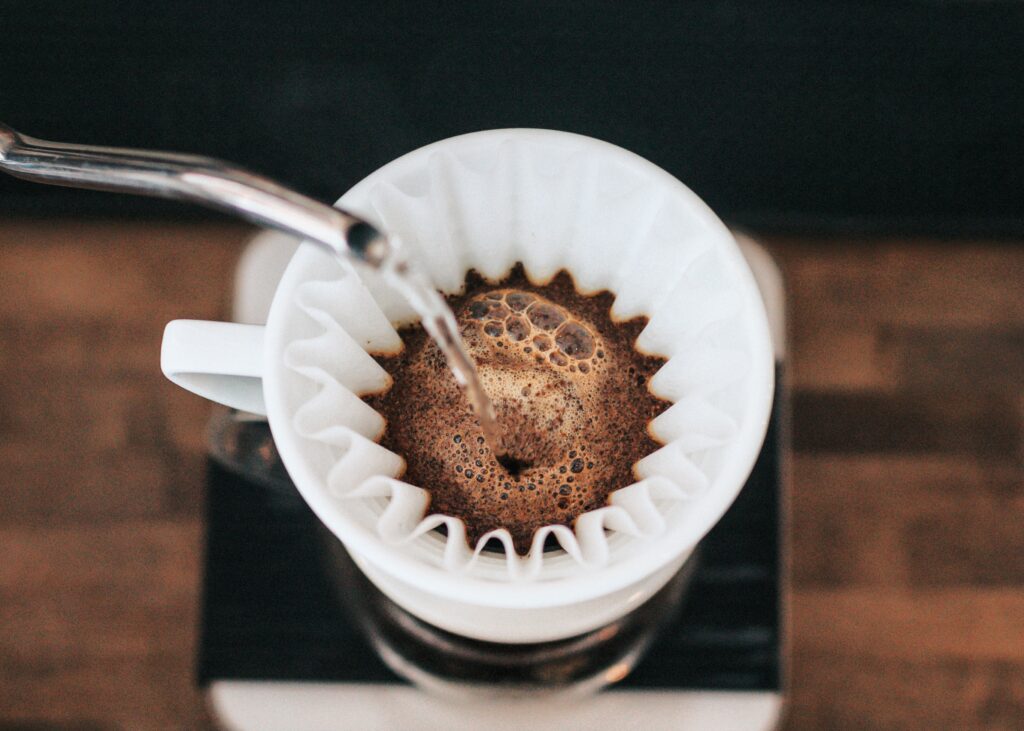
Here’s where things get interesting. A standard 8 oz cup of drip coffee contains around 80–100mg of caffeine. A single shot of espresso is typically 60–75mg. A serving of matcha (about 1 teaspoon of powder in 8 oz of liquid) contains roughly 40–70mg of caffeine — less than coffee, but not dramatically so.
The bigger difference isn’t the amount of caffeine — it’s how that caffeine is delivered.
Matcha contains a unique amino acid called L-theanine, which works synergistically with caffeine to promote a state of calm, focused alertness. Instead of the quick spike and crash that coffee can sometimes cause, matcha tends to offer a smoother, more sustained energy lift — what many people describe as “alert but relaxed.”
Coffee, on the other hand, delivers caffeine more rapidly, which is exactly why it feels like such an effective wake-up tool. For many people, that fast-acting boost is precisely the point.
The bottom line: If you want quick, powerful energy, coffee wins. If you want steady, jitter-free focus, matcha is worth exploring.
Health Benefits: How Do They Compare?
Both drinks come with impressive health credentials — and both are best enjoyed without excessive added sugar or syrups.
Matcha
- Rich in antioxidants — particularly EGCG (epigallocatechin gallate), a catechin linked to anti-inflammatory and metabolism-supporting properties
- Supports focus and calm thanks to L-theanine
- May support liver health and blood sugar regulation based on emerging research
- Gentle on the stomach for many people who find coffee irritating
Coffee
- Loaded with antioxidants — coffee is actually one of the largest sources of antioxidants in the Western diet
- Linked to reduced risk of certain conditions including type 2 diabetes and Parkinson’s disease in observational studies
- Supports athletic performance — caffeine is one of the most well-researched ergogenic aids in the world
- Boosts metabolism and alertness, making it a trusted pre-work or pre-workout choice
Neither drink is a superfood miracle, but both have a strong case for being part of a healthy lifestyle when consumed mindfully.
Taste: An Honest Comparison
Let’s be real — this is where personal preference reigns supreme.
Coffee spans an extraordinary range of flavors: fruity, nutty, chocolatey, smoky, floral. The roast level, bean origin, and brew method all play a role. Black coffee is bold and complex; add milk and you get something silky and comforting. Espresso is intense and punchy. Cold brew is smooth and mellow.
Matcha has a distinctive flavor profile that’s earthy, vegetal, and slightly sweet with a pleasant bitter finish. It pairs beautifully with milk (dairy or oat), and a well-made matcha latte is creamy, warming, and surprisingly satisfying. Ceremonial-grade matcha is noticeably smoother and more nuanced than culinary-grade, which is often used in baking and blended drinks.
If you’ve tried matcha before and found it too bitter or grassy, there’s a good chance it was lower-quality matcha or improperly prepared. A properly whisked ceremonial matcha — or a skilled café-made matcha latte — is a completely different experience.
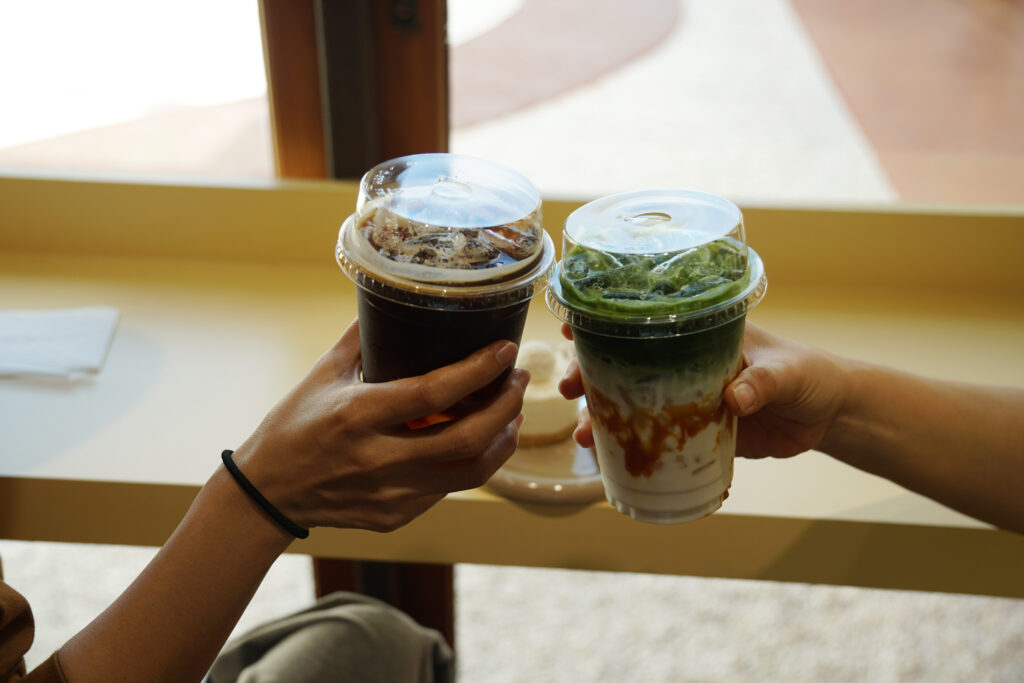
Which One Should You Choose?
Here’s the honest answer: it depends on you.
- Choose coffee if you want fast-acting energy, love complex roasted flavors, and rely on that familiar morning ritual.
- Choose matcha if you’re sensitive to caffeine jitters, want a calmer and longer-lasting energy boost, or you’re simply curious about expanding your café horizons.
- Choose both if you’re at Lighthouse Coffee and you refuse to settle — we won’t judge you.
There’s no reason these two have to compete. Many people enjoy coffee in the morning and matcha in the afternoon as a gentler second-wind option. Others swap between them depending on mood, season, or what the day demands.
Try Both at Lighthouse Coffee
At Lighthouse Coffee, we take both drinks seriously. Our espresso is sourced and brewed with the same care and attention as our matcha — which means ceremonial-grade powder, proper preparation, and the option to customize with your milk of choice.
Whether you’re a lifelong coffee devotee curious about matcha, or a matcha enthusiast looking for an exceptional espresso, we’d love to be the place where you explore both.
Come find your next favourite drink. We’ll have the kettle on.
Frequently Asked Questions
Is matcha healthier than coffee? Both drinks offer meaningful health benefits. Matcha is particularly high in the antioxidant EGCG and contains L-theanine for calm focus. Coffee is one of the richest dietary sources of antioxidants and has been linked to numerous health benefits in research. Neither is definitively “healthier” — it depends on your individual health goals and how each drink makes you feel.
Does matcha have more caffeine than coffee? No — coffee generally contains more caffeine. An 8 oz cup of drip coffee has 80–100mg of caffeine, while a serving of matcha has roughly 40–70mg. However, matcha’s caffeine works differently due to L-theanine, resulting in a smoother, more sustained energy effect.
What does matcha taste like? Quality matcha has an earthy, slightly sweet, and gently bitter flavour with a creamy texture. High-grade ceremonial matcha is smooth and rich — quite different from the sharp bitterness of lower-quality green teas.
Can I drink matcha if I’m sensitive to coffee? Many people who find coffee too stimulating or hard on their stomach do well with matcha. The L-theanine in matcha counteracts some of caffeine’s more jittery effects, and it’s generally considered gentler on the digestive system. That said, individual responses vary — it’s worth trying and seeing how your body reacts.
What is the best matcha drink to try first? If you’re new to matcha, a matcha latte with oat or whole milk is an excellent starting point. The milk rounds out the earthy flavour beautifully, making it approachable and delicious. Ask your barista for ceremonial-grade matcha for the best experience.