


What Is Washed Processing? A Beginner’s Guide to One of Coffee’s Most Important Methods

Think about the last time you had a really good cup of coffee. Not just decent — actually good. Maybe it tasted bright and clean, almost like fruit tea but with more depth. Maybe there was something floral about it that you couldn’t quite name. Chances are, the way that coffee was processed had a lot to do with it.
Most people know that coffee comes from a plant. Fewer know that the seed — the bean — starts its life tucked inside a small fruit, and that what happens to that fruit after harvest shapes everything about how your coffee eventually tastes. One of the most common and important methods used to handle that fruit is called washed processing. Once you understand it, you’ll never look at a bag of coffee the same way again.
First Things First: What Is Coffee Processing?
Before we get into washed processing specifically, it helps to understand what “processing” actually means in the world of coffee — because it’s not about roasting or brewing. It refers to something that happens much earlier, on the farm.
A coffee cherry looks a lot like a fresh cranberry — small, round, and deep red when ripe. Inside that little fruit, protected by layers of skin, soft pulp, and a sticky coating, sit two seeds facing each other. Those seeds are what become the coffee beans you grind and brew. But getting from a fresh-picked cherry to a dry, stable green bean that can be shipped and roasted takes a deliberate process. And the method a producer chooses to use has a real and lasting impact on what ends up in your cup.
There are several processing methods used around the world — natural, honey, anaerobic, washed, and more. Each one produces a different flavour result. Washed processing is one of the oldest and most widely used, and it’s the best place to start if you want to understand how processing shapes flavor.
How Washed Processing Works
Washed processing — sometimes called wet processing or fully washed — is a method where all of the fruit surrounding the coffee seed is removed before the bean is dried. Here is how it works, step by step.
1. Harvesting
It starts at the farm. Ripe cherries are picked — ideally by hand, choosing only the ones that are fully ripe. This matters more than it might seem. Even a small number of underripe or overripe cherries mixed into the batch can affect the flavor of the entire lot.
2. Pulping
After harvesting, the cherries are fed through a machine called a pulper. Think of it like a mechanical peeler. It strips away the outer skin and most of the fruit flesh, leaving the seeds coated in a thin, sticky layer called mucilage. Mucilage is a naturally occurring sugary substance — a bit like the slimy coating on a watermelon seed, if you’ve ever noticed that.
3. Fermentation
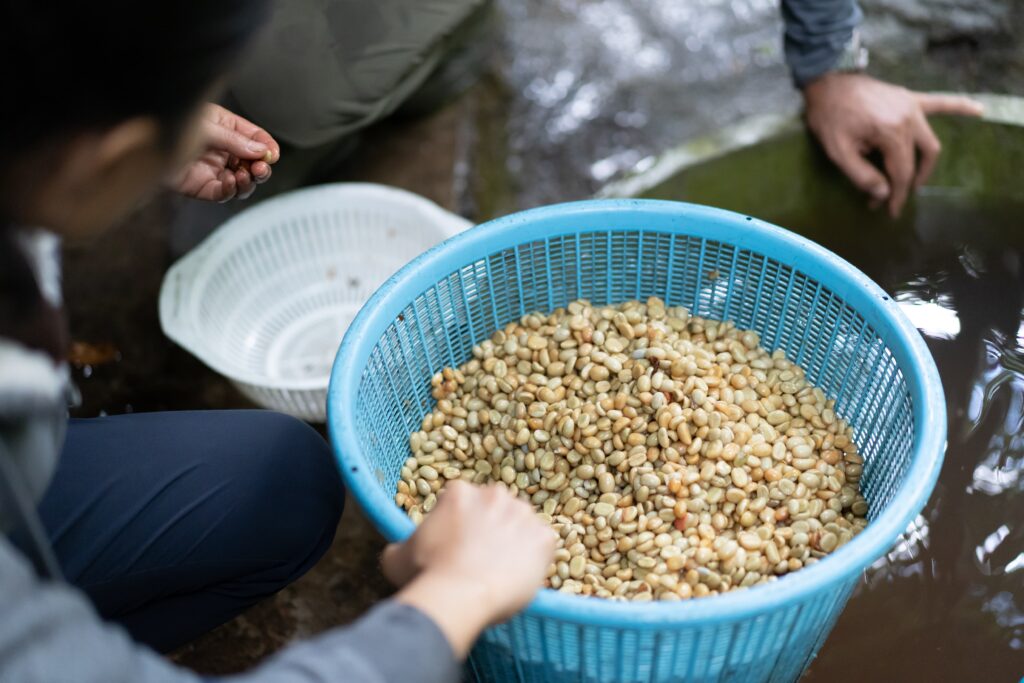
The mucilage-coated seeds go into tanks filled with water, where they sit and ferment. During this stage, which can last anywhere from 12 to 72 hours, naturally occurring bacteria and yeasts break down and loosen that remaining sticky layer. It sounds a little like making yoghurt or bread — where you leave something to sit and let nature do its work. The producer watches this process carefully, because timing matters. Ferment for too short a time and the mucilage won’t break down properly. Ferment for too long and unwanted sour or off flavours can develop.
4. Washing
Once fermentation is complete, the beans are thoroughly washed with clean water to remove every last trace of mucilage. This is where the name “fully washed” comes from. Some producers wash in multiple rounds just to be sure nothing is left behind.
5. Drying
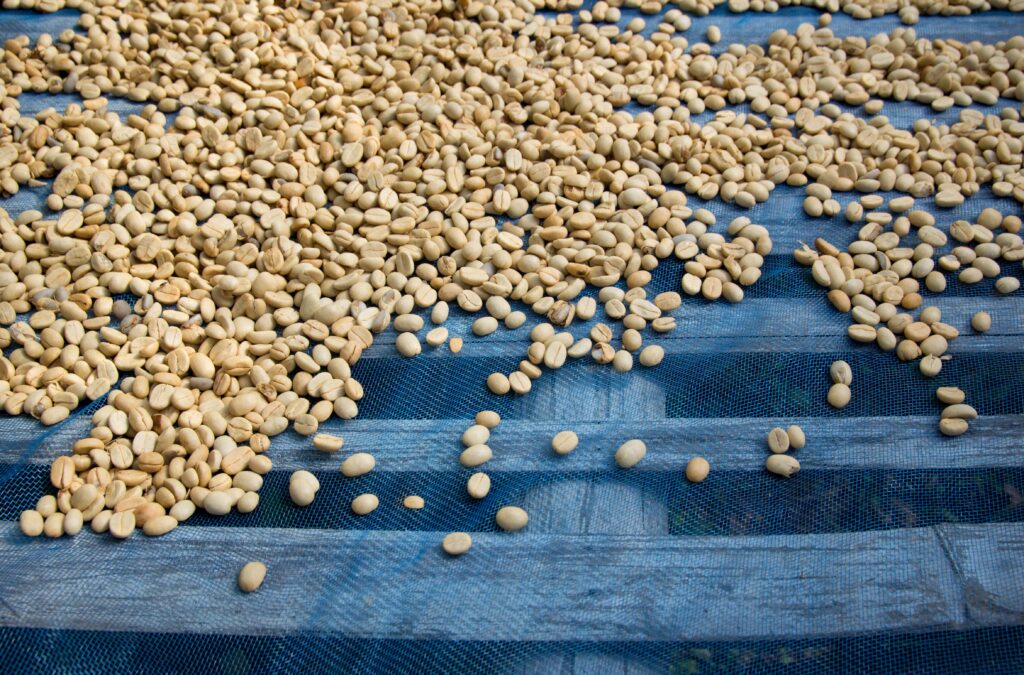
The clean beans — still inside a thin papery shell called parchment — are spread out to dry in the sun. This happens on raised drying beds or flat drying tables, often for one to four weeks depending on the climate and altitude. Even, careful drying is essential. Drying too fast or unevenly can introduce defects that show up as unpleasant flavors in the final cup.
6. Milling
Once the beans have dried down to the right moisture level, the parchment is removed through milling. The green beans are then sorted, graded, and packed for export — ready to be shipped to roasters around the world.
What Does Washed Coffee Taste Like?

This is where understanding the process really pays off.
Because washed processing removes all the fruit before drying, the flavour of the coffee is shaped almost entirely by the bean itself — by where it was grown, how high up it was, what the soil was like, and what variety of plant it came from. Producers and educators call this terroir, a word borrowed from wine that simply means “the taste of a place.”
Washed coffees tend to share a few common characteristics:
- Clean — the cup feels clear and transparent, with nothing muddy or heavy about it
- Bright — there’s often a lively, pleasant acidity, the kind that makes you think of fresh citrus or green apple
- Floral or delicate — aromatic notes that might be hidden in other processing methods come through more clearly here
- Defined — the flavour has a clear beginning, middle, and finish, almost like a well-structured sentence
A washed coffee from Ethiopia, for example, might taste almost like a cup of Earl Grey tea — that bergamot-like quality, which is the same citrusy floral note found in the black tea blend, combined with jasmine and a clean lemon brightness. It can feel surprisingly light and complex at the same time.
That clarity is the signature of washed processing. The fruit is out of the way, so what you taste is the bean, the soil, and the altitude — nothing else.
Washed vs. Natural: What’s the Difference?
You’ll come across both terms regularly in specialty coffee, so it’s worth knowing how they differ.
In natural processing (also called dry processing), the whole cherry is dried with the fruit still intact. The seeds sit inside the drying fruit for weeks, slowly absorbing sugars and flavour compounds from the surrounding pulp. The result is a very different cup — typically fuller in body, lower in brightness, and often bursting with fruity, jammy sweetness. Think blueberry muffin or dried mango rather than jasmine tea.
Neither method is better. They’re different tools that produce different outcomes, and great producers choose deliberately based on their climate, resources, and the flavour they’re aiming for. Washed processing does require access to a reliable supply of clean water, which is why you’ll find it more commonly in certain parts of the world than others.
Where Is Washed Processing Most Common?
Washed coffees come from many growing regions, but these are some of the most well-known:
- Ethiopia — home to some of the world’s most celebrated washed coffees, particularly from regions like Yirgacheffe and Guji, known for their floral and tea-like qualities
- Kenya — famous for a distinctive double-washed process that contributes to a bright, almost juicy acidity and a complex layered flavour
- Colombia — washed processing is the standard method across most of the country, which is part of why Colombian coffees tend to be clean, balanced, and approachable
- Central America — countries like Guatemala, Honduras, and Costa Rica produce excellent washed lots, often with a gentle sweetness and good clarity
If you ever get the chance to taste a washed coffee from one of these origins side by side with a natural from the same region, do it. The difference will tell you more about processing than any article can.
Why Does Any of This Matter to You?
You don’t need to be a barista or a coffee professional to find this useful. If you’re curious about coffee — about why some cups taste so different from others, or why a single origin coffee from a specialty café tastes nothing like what comes out of an instant sachet — processing is a big part of the answer.
Understanding washed processing gives you a framework. Once you know that a washed coffee is going to be clean and origin-forward, you can start noticing those qualities in the cup. You can pick up a bag, read the label, and have a genuine expectation of what you’re about to taste. That’s a small thing, but it changes the way you experience coffee entirely.
It’s also one of the first steps in building real coffee knowledge — the kind that makes every cup feel like there’s something worth paying attention to.
At Lighthouse Coffee Academy, we cover processing methods as part of our foundation courses, including SCA Barista Skills and Coffee Knowledge. Whether you’re thinking about working in coffee or just want to understand what’s in your cup, you’re more than welcome. Curiosity is the only requirement.
The Takeaway
Washed processing is a method that puts the coffee bean front and centre. By removing all the fruit before drying, it lets the natural character of the bean — its origin, its variety, its environment — come through clearly and cleanly in the cup. If you’ve ever tasted a coffee that felt bright, floral, and almost delicate, there’s a good chance it was washed.
Next time you’re handed a cup, or you’re standing in front of a shelf of specialty coffee bags, look for that word. It’s a small piece of information that carries a lot of meaning — and now you know exactly what it’s telling you.
Want to keep learning? Come find us at Lighthouse Coffee Academy in Penang. We’d love to be part of your coffee journey, wherever it starts.
