


Which Alt Milk Is Best for Coffee? The Science Your Barista Already Knows
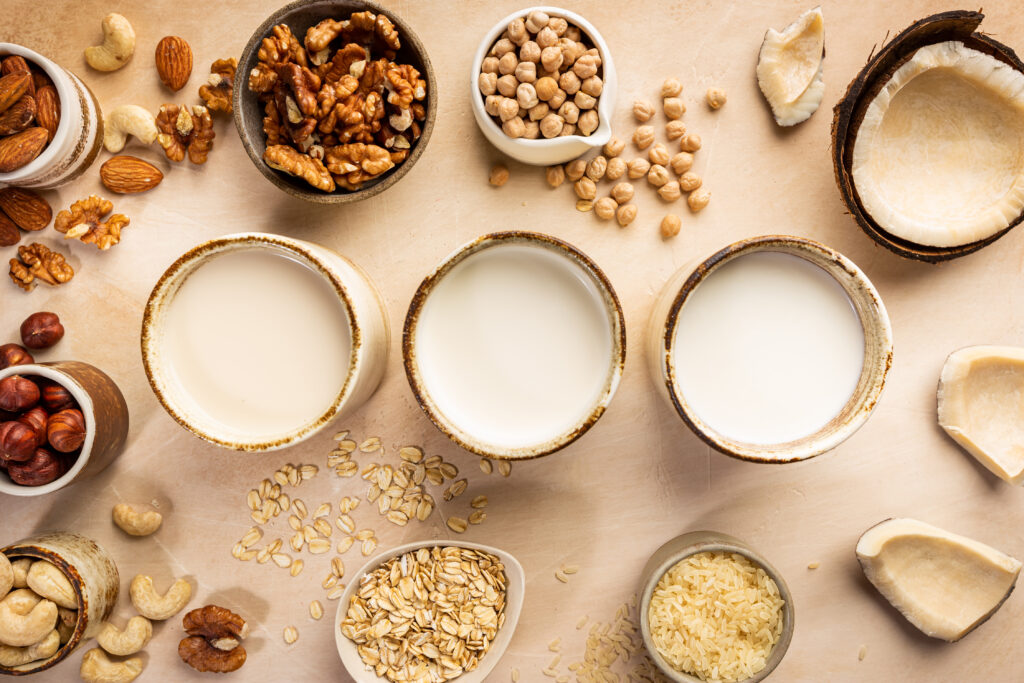
Walk into any specialty café today and you’ll find at least two or three alternative milk options on the menu. Oat milk. Almond milk. Soy. Maybe even macadamia. But ask most people why they choose one over another and the answer is usually: “I just prefer it.”
That’s fair. Personal preference is valid. But behind the bar, your barista is thinking about something else entirely — how each milk behaves chemically, how it steams, how it interacts with espresso, and whether it’s even going to hold together in your cup.
Here’s what they know — and what you probably don’t.
Why Milk Behavior in Coffee Matters
Before we get into each alt milk, it’s worth understanding what makes any milk work well in coffee in the first place.
When milk is combined with espresso, three things are happening simultaneously:
1. Acidity interaction Espresso is acidic, typically sitting at around pH 4.5 to 5. When milk meets that acidity, its proteins can destabilise and clump — which is what causes curdling.
2. Heat stress Steaming milk introduces heat rapidly. Different milks respond to heat very differently depending on their composition.
3. Emulsion stability A well-made latte should hold its texture from the first sip to the last. That requires the milk to maintain a stable emulsion — fat, protein, and water staying in harmony.
The key to stability across all three? Protein, fat, and fibre. Milks that are rich in at least one of these tend to hold up well. Milks that are low in all three — don’t.
Oat Milk: The Crowd Favorite
Stability source: Beta-glucan fibre
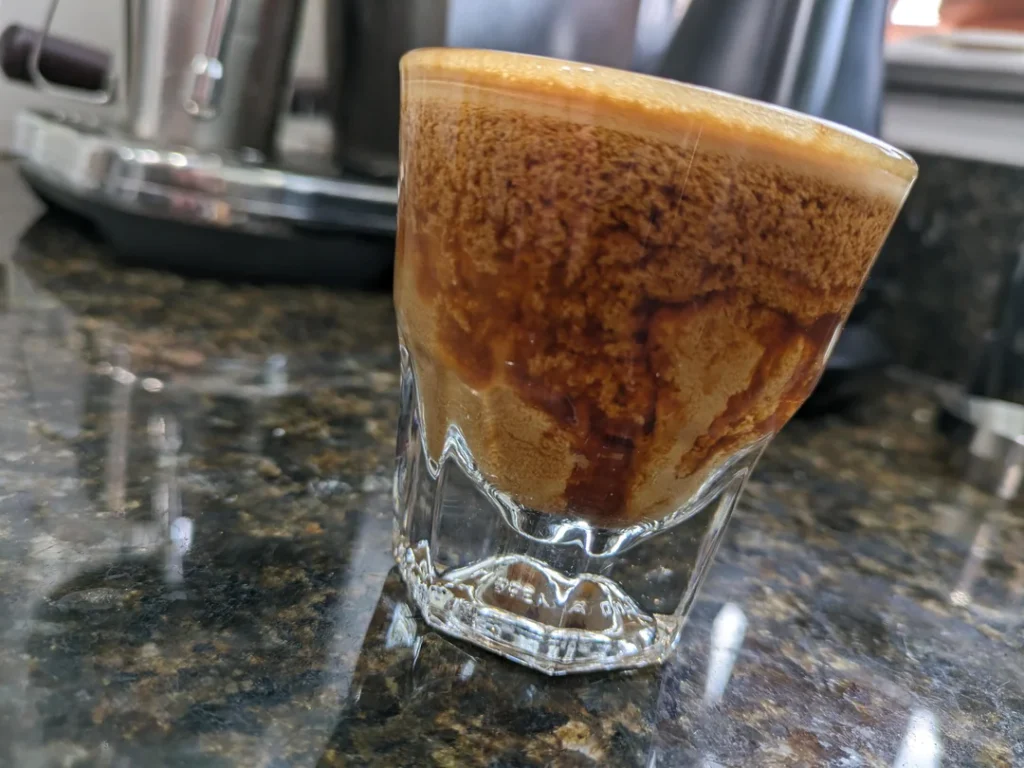
Oat milk has taken over specialty café menus for good reason. It steams beautifully, holds foam well, and has a natural sweetness that complements most espresso profiles without overpowering them.
What makes oat milk work isn’t actually protein — it only contains around 1g per 100ml. What holds it together is beta-glucan, a soluble fibre found naturally in oats. Beta-glucan acts as a natural thickener and emulsifier, giving oat milk that creamy, slightly viscous body that behaves remarkably like full cream dairy under the steam wand.
The caveat? Not all oat milks are equal. Low-quality or budget oat milks often lack sufficient beta-glucan content, which means they break down under heat and turn thin and watery. If your oat milk latte has ever tasted disappointing, the milk brand is likely the culprit — not the coffee.
Best for: Lattes, flat whites, cortados — essentially any milk-forward espresso drink.
Soy Milk: The Original
Stability source: Plant protein
Soy milk was the first alternative milk that specialty coffee took seriously, and it remains one of the most structurally sound options behind the bar. With around 3.3g of protein per 100ml — comparable to full cream dairy’s 3.4g — soy milk has real structural integrity.
It produces decent foam, holds body well, and when handled correctly, integrates smoothly with espresso. The problem is that it’s technique-dependent. Soy milk is sensitive to two things: high heat and high acidity. Push the temperature too far or pair it with a very acidic light roast espresso, and it will split — separating into an unappetising grainy texture.
For SCA-trained baristas who monitor milk temperature carefully and match milk to roast profile, soy milk performs reliably. For less experienced hands, it can be unpredictable.
Best for: Drinks made by baristas who understand its limits. Pairs better with medium to darker roast profiles.
Almond Milk: The Overhyped One
Stability source: Very little
Almond milk is arguably the most popular alt milk by name recognition — but it’s also the most challenging to work with in a specialty coffee context, particularly in Malaysia where lighter, more acidic roast profiles are common.
Here’s the science: almond milk contains roughly 0.5g of protein per 100ml, minimal fat, and very little fibre. It has almost nothing working in its favour structurally. When it encounters the acidity of espresso — especially a high-acid light roast single origin — the proteins that do exist destabilise rapidly and clump together, causing visible curdling.
Heat makes this worse. The combination of heat shock and acidity hitting simultaneously — which happens every time cold almond milk meets hot espresso — creates the worst possible conditions for an already unstable milk.
It also tends to produce thin, inconsistent foam and can overpower the delicate flavour notes in specialty coffee with its own nuttiness.
Best for: Iced drinks, where heat is not a factor and acidity impact is reduced. Manage expectations accordingly.
Macadamia Milk: The Underrated One
Stability source: Natural fat content
Macadamia milk is quietly becoming a barista favourite in specialty cafés across Malaysia — and anyone who has tried it understands why. It’s naturally creamy, glossy in the cup, and steams with a smoothness that most other alt milks can’t match.
Its stability comes primarily from fat content. While not as high as full cream dairy, macadamia milk’s natural fat acts as an emulsifier that helps it hold together against espresso acidity far better than almond milk. The result is a latte that looks and feels luxurious — with a subtle, neutral sweetness that doesn’t compete with the coffee.
The honest downside is cost. Macadamia milk is significantly more expensive than other alt milks, which is why it carries a surcharge at most cafés that stock it. But for customers who have tried it, the price difference is rarely a point of debate.
Best for: Lattes and flat whites where texture and mouthfeel are a priority. Worth every ringgit.
Coconut Milk: The Bold One
Stability source: High fat content
Coconut milk brings something none of the others do: a genuinely distinct flavour identity. Rich, tropical, and naturally sweet, it has a strong personality that makes it a flavour choice as much as a dietary one.
From a stability standpoint, coconut milk’s high fat content gives it reasonable structural integrity — it holds up under heat better than almond and doesn’t split as readily under acidity. The challenge is pairing. Its bold tropical character works beautifully alongside dark roasts and natural-processed coffees, where the flavour profiles are robust enough to stand alongside it.
Put it in a latte made with a light, floral Ethiopian single origin, however, and it will fight the coffee rather than complement it. The result is a confused, muddled cup where neither the milk nor the coffee comes through clearly.
Best for: Bold roast profiles, darker espresso blends, and dessert-style drinks. A deliberate choice, not a default swap.
What This Means For Your Cup
The next time you order a latte and specify an alt milk, your barista isn’t just making a simple substitution. They’re adjusting their approach — steaming temperature, technique, and sometimes even the espresso ratio — to give you the best possible result with that specific milk.
That’s not overthinking it. That’s the craft.
And if your barista ever gently steers you toward a different milk than the one you asked for? They’re not being difficult. They’re protecting your drink.
At Lighthouse Coffee Roastery & Academy, our SCA-certified baristas are trained to understand not just how to make coffee — but why every variable in the cup matters. Milk is part of the recipe. It always has been.
TL;DR — Quick Reference Guide
| Milk | Stability Source | Foam Quality | Best For | Watch Out For |
|---|---|---|---|---|
| Oat | Beta-glucan fibre | Excellent | Lattes, flat whites | Low-quality brands breaking under heat |
| Soy | Plant protein | Good | Medium-dark roasts | Splitting under high heat or high acidity |
| Almond | Minimal | Poor | Iced drinks only | Curdling with acidic espresso |
| Macadamia | Natural fat | Very good | Lattes, flat whites | Higher cost |
| Coconut | High fat | Moderate | Bold roasts, dessert drinks | Overpowering delicate roast profiles |
Lighthouse Coffee Roastery & Academy is an SCA Certified Training Campus based in Penang, Malaysia. We offer SCA-accredited barista courses, professional coffee training, and specialty coffee education for both individuals and café teams. All courses are HRD Corp claimable.
Check out our academy line up course : Barista Academy