


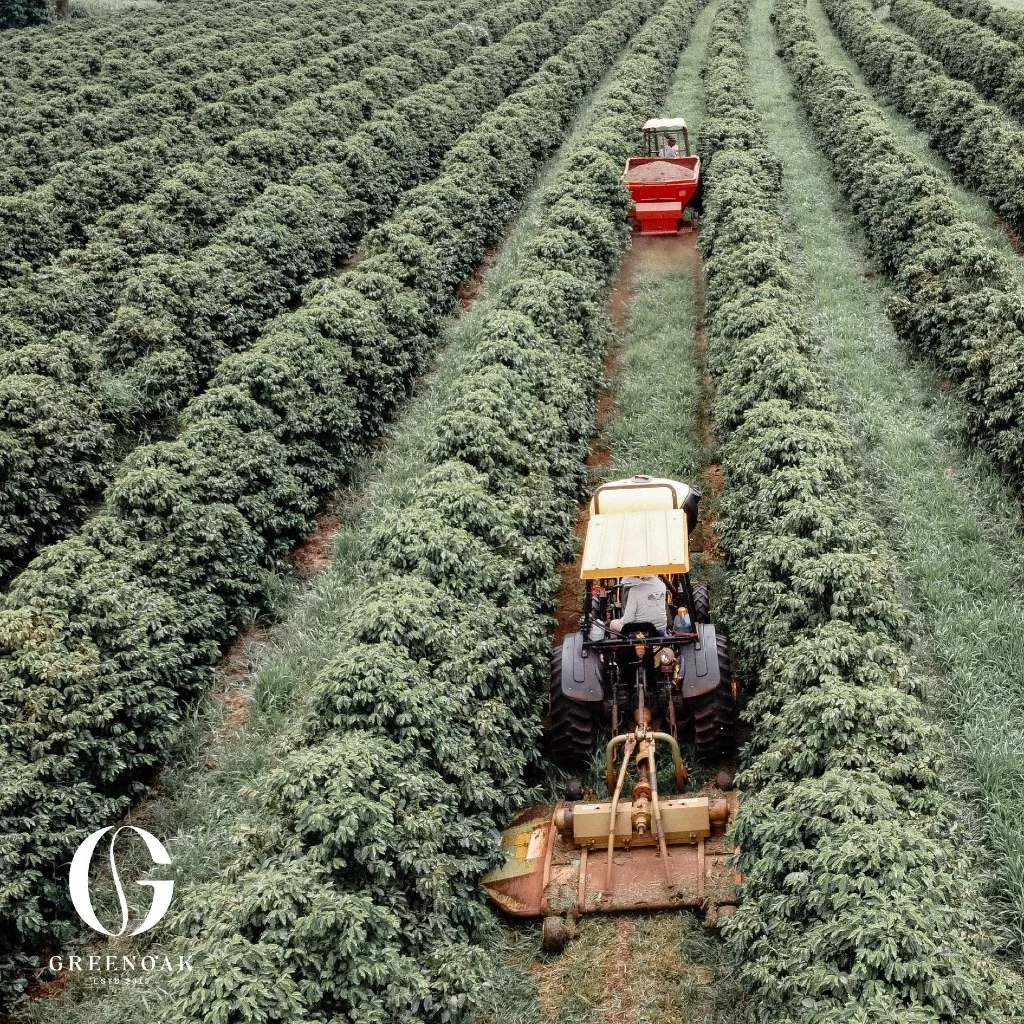
When you hold a bag of coffee from Brazil’s Norte Pioneiro region in Paraná State, you’re holding more than just beans. You’re holding over a century of history, a story of frost and rebirth, and the quiet determination of thousands of small family farmers who refused to give up on the land they love.
This is the coffee that earned its own Geographic Indication. And once you taste it, you’ll understand why.
Where in the World Is Norte Pioneiro do Paraná?
Nestled in the northern reaches of Paraná State in southern Brazil — right on the border with São Paulo — the Norte Pioneiro (which translates as “North Pioneer”) mesoregion covers approximately 1.6 million hectares across 45 municipalities. It sits at elevations between 500 and 900 metres above sea level, and the Tropic of Capricorn cuts right through it.
That geographic quirk is everything. Growing coffee at this subtropical latitude means the plants experience four distinct seasons — something almost unheard of in traditional equatorial coffee-growing regions. This thermal stress slows the ripening process, forcing the coffee cherry to develop more complex sugars, deeper flavour compounds, and a more nuanced acidity. The result? A cup that punches well above its weight.
A History Built on Coffee — and Almost Destroyed by It
The Norte Pioneiro’s story begins in the mid-1800s, when settlers from São Paulo and Minas Gerais moved south, following the coffee frontier. By the early 20th century, towns like Santo Antônio da Platina, Jacarezinho, Cornélio Procópio, Bandeirantes, and Cambará had taken shape — all of them built on the back of Arabica cultivation.
For decades, coffee was king. The region became one of Paraná State’s most densely populated areas, fuelled by wave after wave of Italian, Japanese, and Brazilian migrants who cleared land and planted coffee as far as the eye could see.
Then came the night of July 18, 1975.
A catastrophic black frost swept through Paraná, killing crops almost overnight. The devastation was total. The coffee industry — which had taken a century to build — was essentially wiped out in a matter of hours. Thousands of farming families faced ruin. The region haemorrhaged population as people left for the cities.
But the story doesn’t end there.
The Comeback: From Survival to Specialty
The farmers who stayed replanted. They diversified. And slowly, over the following decades, they began to realise something: their land, with its cool nights, fertile soils, and reliable rainfall of 1,200–1,700mm per year, was actually ideal for producing high-quality Arabica — not commodity coffee, but specialty coffee.
By the 1990s and 2000s, a new vision was taking shape. Small family farms — typically under 50 hectares — began focusing on careful cultivation, selective picking, and improved processing methods. In 2006, the Associação dos Cafés Especiais do Norte Pioneiro do Paraná (ACENPP) was founded to unite producers and promote the region’s exceptional quality.
Their work paid off. In September 2012, Norte Pioneiro do Paraná became one of the few Brazilian coffee regions to receive a formal Geographic Indication (Indication of Origin) — an official recognition that the terroir and conditions here produce something genuinely distinctive.
What Does Norte Pioneiro Coffee Taste Like?
The official tasting profile recognised under the Geographic Indication describes it as:
Sweet coffee with a creamy body, pleasant citric acidity, and aromas of chocolate, caramel, floral and fruity-citrus notes.
In practice, cups from this region often deliver a beautifully balanced experience — rich and warming on the palate, with just enough brightness to keep things lively. The natural processing method, common in the region, enhances the sweetness and adds a lush, fruit-forward complexity that sets it apart from the typical washed Brazilian profiles.
It’s the kind of coffee that works equally well as a pourover, a batch brew, or a silky espresso. Approachable enough for everyday drinking. Interesting enough to keep you thinking.
The Land Behind the Cup
The Norte Pioneiro’s climate is precisely what makes this possible. Average temperatures range from around 17°C in June to 25°C in January, with no significant dry season and humidity hovering around 80%. The soils are a patchwork of naturally fertile and more challenging ground — and it’s the farmers’ skill in managing these variations that elevates their harvest year after year.
Add to that the region’s innovative spirit. Since 2016, a Regional Innovation System has supported 12 municipalities, driving a 23% higher per capita GDP growth compared to neighbouring areas. Norte Pioneiro is not resting on its heritage — it is actively building its future.
Why We Love This Coffee
At Lighthouse Coffee, we’re drawn to origin stories that mean something. Norte Pioneiro do Paraná isn’t a flashy single origin from a remote mountain village with a romantic backstory grafted on for marketing purposes. It’s the real thing — a region that earned its reputation through hardship, adaptability, and an unwavering commitment to quality.
Every bag we carry from this region reflects that. The farmers are small-scale, hands-on, and deeply connected to their land. The coffee tastes like somewhere.
Try It for Yourself
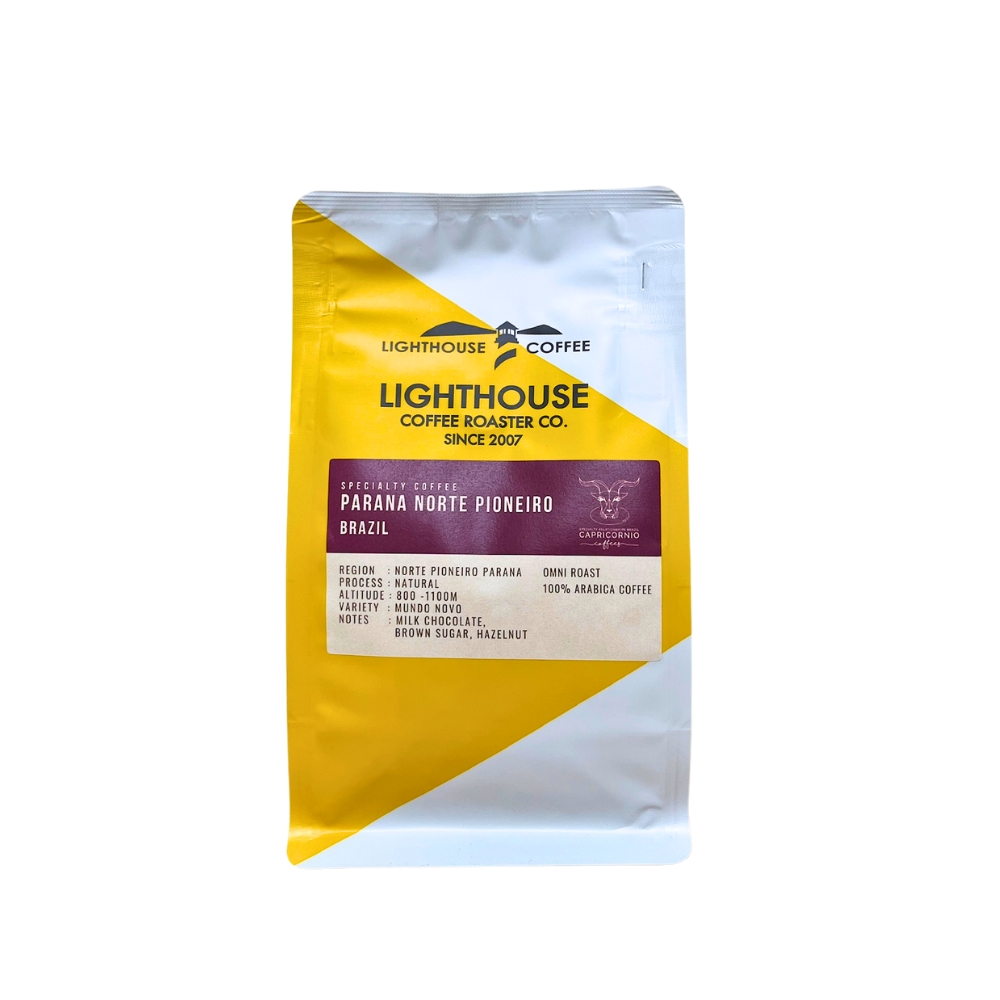
Ready to experience the resilience and sweetness of Norte Pioneiro Paraná in your cup?
→ Shop Brazil Paraná Norte Pioneiro Natural 200g
Whether you’re a seasoned specialty drinker or just beginning to explore single-origin coffees, this is an approachable, rewarding, and deeply satisfying place to start — or to return to, again and again.
Freshly roasted. Carefully sourced. Delivered to your door.