


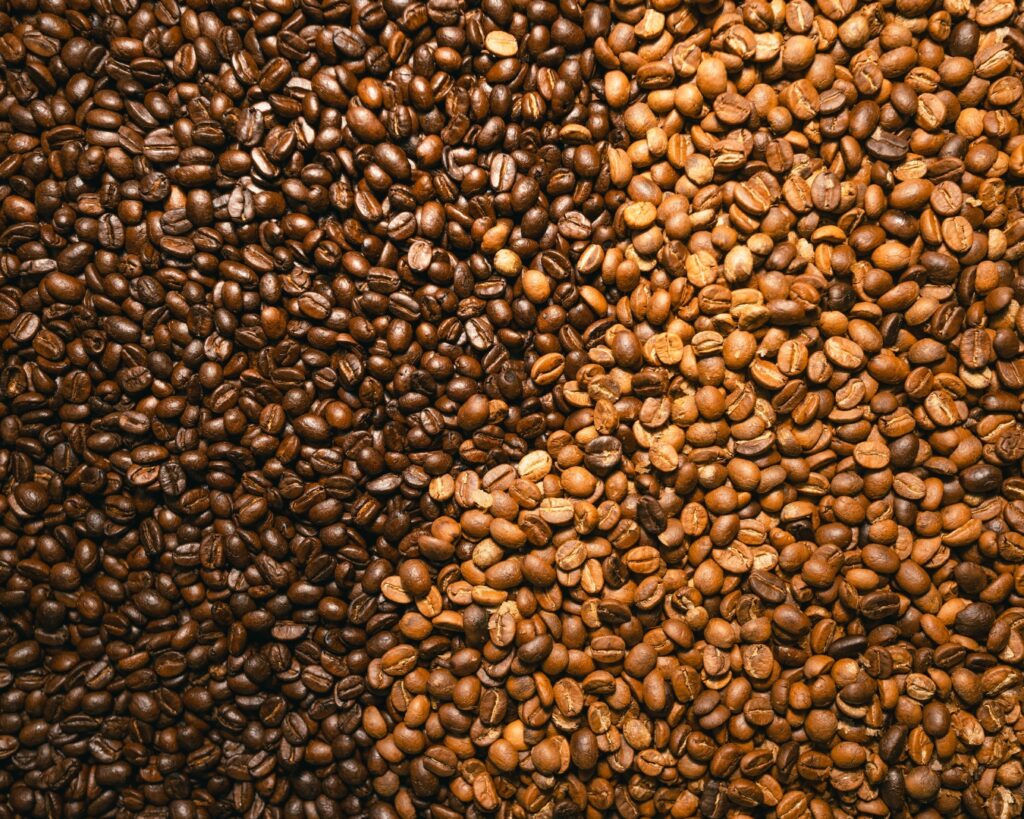
Walk into any café or coffee shop and you will almost certainly see the words “light roast” and “dark roast” on the menu. Most people have a preference. Far fewer can explain what those words actually mean.
Roast level is one of the most fundamental variables in coffee — it shapes flavour, aroma, body, acidity, and even caffeine content in ways that might surprise you. At Lighthouse Coffee Roastery in Penang, roast profiling is one of the most deliberate decisions we make for every single batch.
This guide will explain what actually happens to coffee during roasting, how light and dark roasts differ, and how to decide which is right for you — whether you are brewing at home or building a café menu.
What Happens to Coffee During Roasting?
Green coffee beans are raw, dense, and largely odourless. The flavours and aromas we associate with coffee do not exist in the green bean — they are created through heat.
When green beans enter a roaster and temperatures climb, a series of chemical reactions begin. The most important of these is the Maillard reaction, the same process that browns bread or sears meat. Sugars and amino acids react under heat to create hundreds of new aromatic compounds. Then, at higher temperatures, caramelisation continues developing sweetness and body. Finally, pyrolysis — the breakdown of organic compounds — produces the bold, bitter, and smoky notes associated with darker roasts.
Roasters control flavour by managing three variables: temperature, time, and airflow. A roast profile is the precise graph of these variables over an entire roast — typically 8 to 14 minutes depending on the desired result. Small changes in the profile create meaningfully different cups from the same green bean.
This is why roasting is a craft. Two roasteries using identical beans from the same farm can produce completely different flavour experiences depending on their profiles.
Understanding Roast Levels
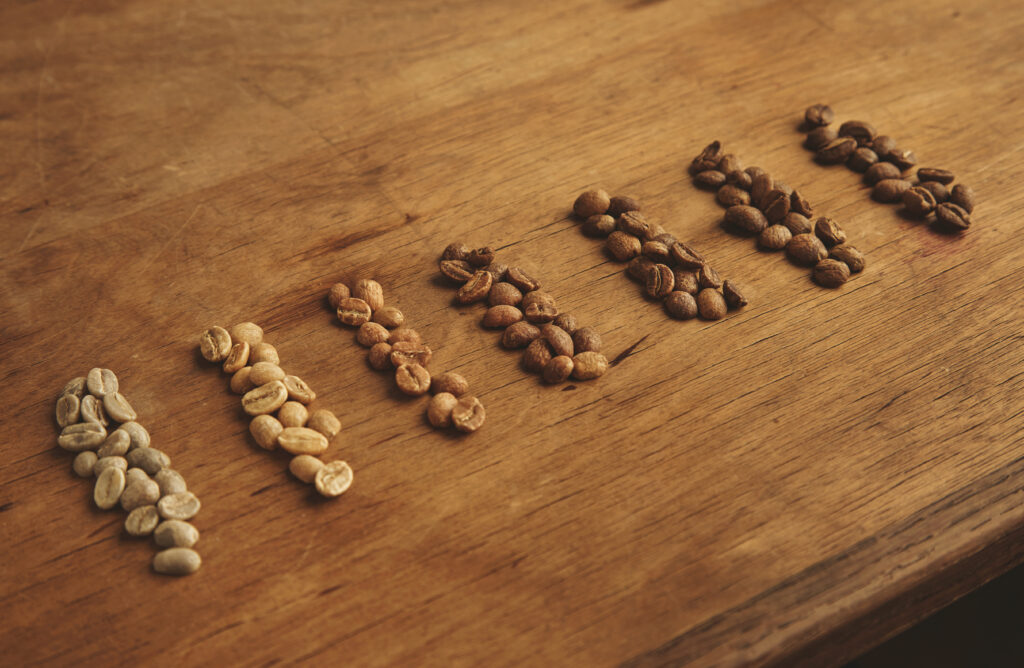
There is no global standard for roast terminology, but the industry broadly uses three categories.
Light Roast
Light roast beans are pulled from the drum shortly after what roasters call “first crack” — an audible popping sound that occurs as bean structure expands and moisture escapes, usually around 196–205°C internal bean temperature.
Characteristics:
- Higher perceived acidity and brightness
- Delicate, complex flavour — fruit, floral, and tea-like notes
- Lighter body
- Light brown colour, dry surface (no oil)
- Origin character is most intact — you taste the farm, the variety, the terroir
Common misconception: Light roast has more caffeine than dark roast. This is largely true by weight — darker roasting breaks down some caffeine — but the difference is very small in practice. Brew method and dose have a far bigger impact on the caffeine in your cup than roast level.
Light roasts work best with filter brewing: pour-over, AeroPress, siphon, and cold brew. The acidity and delicate notes that make them shine can become thin or harsh if forced through an espresso machine at high pressure.
Medium Roast
Medium roast beans are developed past first crack but stopped well before second crack, typically around 210–220°C. This is where balance lives — enough heat to reduce rawness and build sweetness, not so much that origin character disappears.
Characteristics:
- Balanced acidity and body
- Caramel sweetness, nutty and chocolate notes
- Versatile across brew methods
- The most commercially popular roast level globally
For cafés looking for an approachable espresso base that still has some character, medium roast is the most reliable starting point.
Dark Roast
Dark roast beans are taken into or beyond second crack — a second round of audible snapping as cell walls break down further, typically above 225°C. The longer in the drum, the more the bean’s original character is replaced by roast character.
Characteristics:
- Low acidity, heavy body
- Bold, bittersweet flavour — dark chocolate, smoke, dried fruit, roasted grain
- Oily surface on the bean
- Origin character largely overwritten by roasting
Dark roasts are often preferred by drinkers who take their coffee with milk or sugar, as the bold base cuts through dairy cleanly. Traditional espresso blends across Italy and Southeast Asia have historically leaned dark for exactly this reason.
How Roast Level Affects Antioxidants
If you read our post on coffee and antioxidants, you will already know that chlorogenic acids — coffee’s primary antioxidant family — are heat-sensitive. Light roasts preserve more chlorogenic acids than dark roasts because the beans spend less time at high temperature.
However, darker roasts produce more melanoidins, a different class of antioxidant formed during roasting, which have prebiotic and anti-inflammatory properties of their own.
The takeaway: both roast levels have antioxidant value, just different profiles. Neither is definitively “healthier” than the other — and freshness matters more than roast level when it comes to preserving these compounds in your cup.
Which Roast Is Right for You?
There is no universally correct answer, but these questions help narrow it down:
Do you drink black coffee? If yes, light or medium roast will give you more to explore. The complexity of a well-sourced light roast — brewed as a pour-over, for example — can be a genuinely new experience even for longtime coffee drinkers.
Do you prefer coffee with milk? Medium to dark roast. The sweetness and body of these roasts integrate better with steamed milk, producing a more harmonious flat white or latte.
Are you pulling espresso? Most specialty roasteries use medium to medium-dark profiles for espresso, where the pressure of extraction amplifies acidity. A very light roast through an espresso machine can produce a sour, underdeveloped shot unless the barista is highly skilled at dialling in.
Are you brewing filter at home? Light or medium. The more forgiving, lower-pressure extraction of filter methods lets nuance come through without becoming harsh.
What This Means for Café Owners
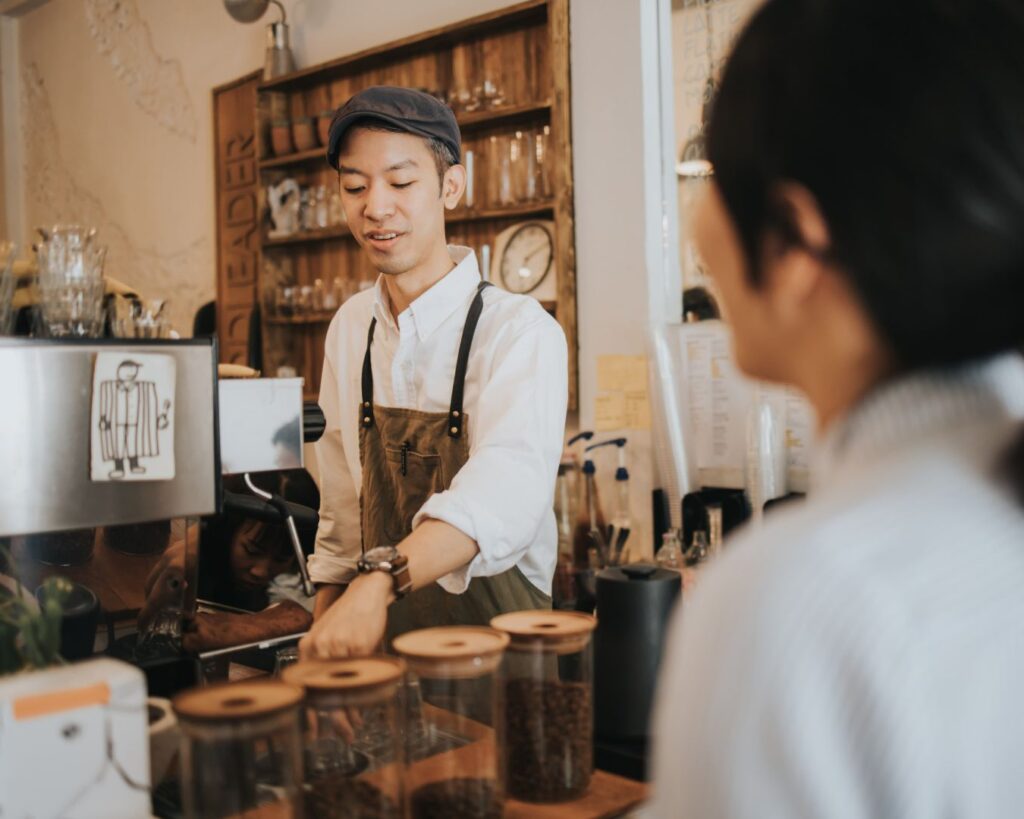
If you are building or reviewing a café menu, roast selection is a business decision, not just a flavour one.
A single espresso blend in the medium-dark range typically satisfies the broadest customer base. Adding a light roast single origin as a filter or batch brew option gives you a second tier for specialty coffee drinkers without requiring major operational changes. This two-tier approach works well for Malaysian cafés serving both everyday customers and more discerning coffee drinkers.
If you need guidance on sourcing the right coffee for your café’s menu and equipment setup, the Lighthouse Coffee team has been working with F&B businesses across Penang and beyond for nearly two decades.
How Lighthouse Coffee Approaches Roasting
At our roastery in Perai, we roast to order. Every batch is profiled specifically to the bean — origin, processing method, density, and moisture content all influence the decisions we make before a single bean enters the drum.
Our approach is guided by one principle: the roast profile should serve the coffee, not the other way around. If an Ethiopian natural tastes best as a light roast with bright berry notes, we roast it light. If a Sumatran wet-hulled bean develops its best character at medium-dark, that is where we take it.
All our coffee is HALAL and MeSTI certified, roasted fresh, and available for wholesale, retail, and café supply across Malaysia.
Ready to Find Your Roast?
Whether you are a home brewer experimenting with different brewing methods, or a café owner reviewing your espresso blend, we are happy to help you find the right roast profile for what you need.
📞 WhatsApp us to speak with our team about our current single origins, house blends, and wholesale supply options.
Related reads: