


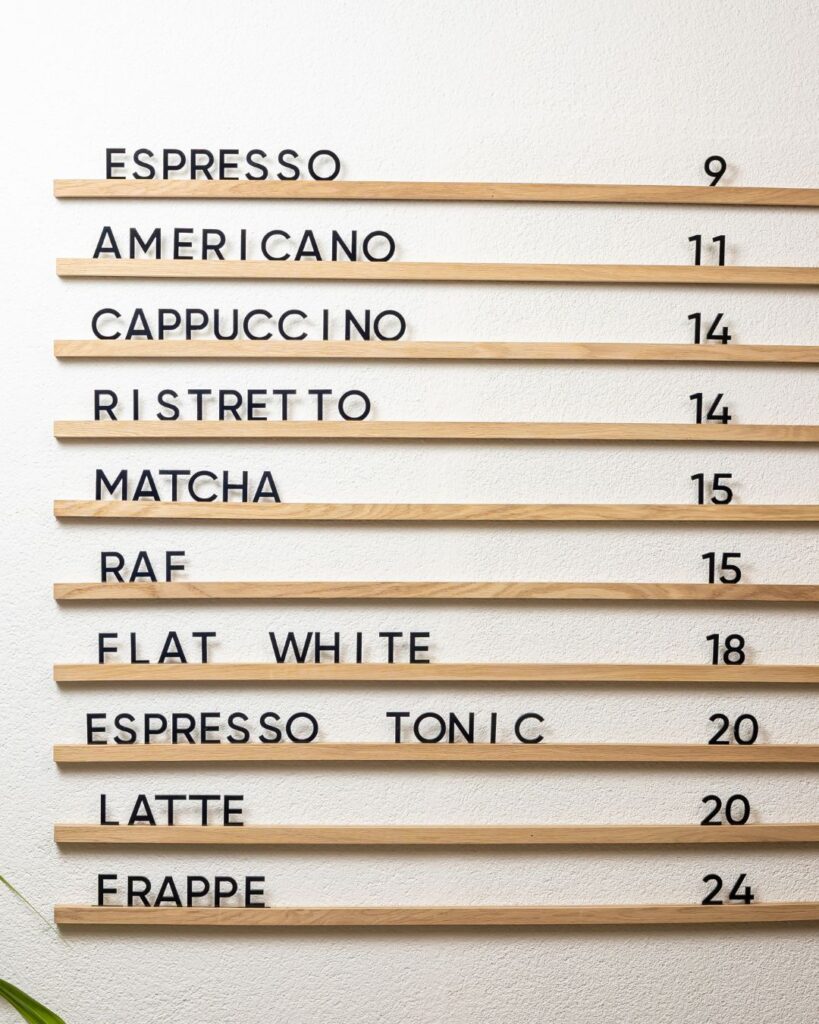
Walk into any café in Penang today and you’ll likely see the word “specialty” somewhere — on the menu, the coffee bags, the brand signage. But what does it actually mean? Is it just a marketing word, or does it refer to something real and measurable?
The answer is: it’s very real. And once you understand what separates specialty coffee from everything else, you’ll never look at a cup the same way again.
The Short Answer
Specialty coffee is coffee that has been scored 80 points or above on a 100-point scale by a certified Q Grader — a licensed coffee taster trained and certified by the Coffee Quality Institute (CQI).
That score is called the SCA cupping score, and it evaluates a coffee across ten attributes: fragrance, aroma, flavour, aftertaste, acidity, body, balance, uniformity, clean cup, and sweetness.
Coffee scoring below 80 is classified as commercial grade. Coffee scoring 80 and above earns the designation of specialty. It sounds simple, but in practice only a small percentage of all coffee produced globally ever reaches that threshold.
How Coffee Is Graded
Coffee doesn’t start its life at the café. Before it reaches your cup, it passes through a long chain — from the farmer, through processing, export, import, roasting, and finally brewing. Quality can be gained or lost at every single step.
The grading process typically happens at two stages:
Green Bean Assessment
Before roasting, green (unroasted) coffee beans are physically inspected and scored. Assessors look at:
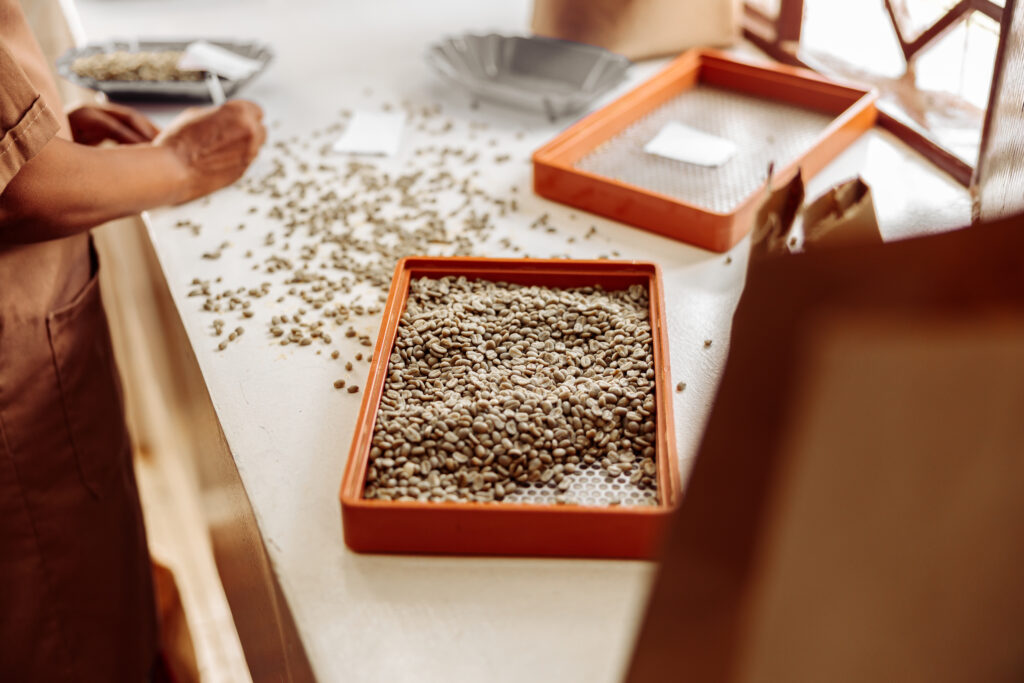
Defect count — how many damaged, discoloured, or foreign beans are present per 350g sample. Specialty grade allows zero Category 1 defects (black beans, sour beans, fungus damage) and a maximum of five Category 2 defects.
Moisture content — beans that are too wet or too dry will roast unevenly and taste flat or harsh.
Bean size and uniformity — inconsistent sizing leads to uneven roasting.
Only beans that pass green assessment move forward to cupping.
Cupping (Sensory Evaluation)
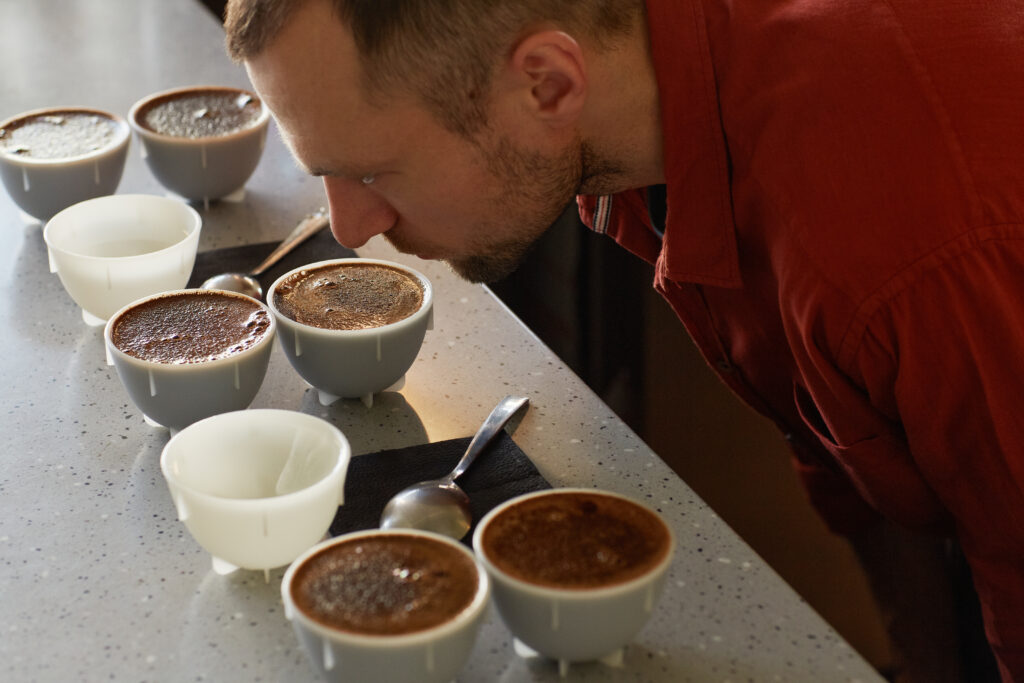
Cupping is the standardised method the coffee industry uses to taste and score coffee objectively. The protocol is precise — specific grind size, specific water temperature, specific steep time — so that results can be compared fairly across different labs and tasters.
A Q Grader evaluates the coffee through its full sensory journey: dry fragrance, wet aroma after hot water is added, the break when the crust is disturbed, and then the flavour, aftertaste, acidity, body, and balance as the coffee cools through different temperature ranges.
The final score determines the coffee’s grade:
| Score | Classification |
| 90 – 100 | Outstanding (Exceptional specialty) |
| 85 – 89.99 | Excellent (Specialty) |
| 80 – 84.99 | Very Good (Specialty) |
| Below 80 | Commercial grade |
What Makes a Coffee Score High?
Three things drive specialty coffee quality more than anything else: variety, origin, and processing method.
Variety
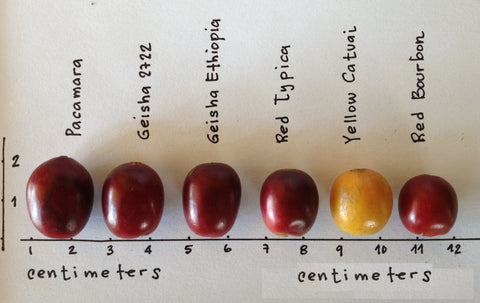
Just like grapes in wine, different coffee varieties produce dramatically different flavour profiles. The two main species are Arabica and Robusta — almost all specialty coffee is Arabica, which has more complex sugars and a wider flavour range. Within Arabica, there are hundreds of varieties: Bourbon, Typica, Gesha, SL28, Pacamara, and many more. Each has its own character.
Gesha (sometimes spelled Geisha), originally from Ethiopia and now famously grown in Panama, is one of the most prized varieties in the world — floral, tea-like, almost otherworldly in its complexity. A well-grown Gesha regularly scores in the 90s.
Origin
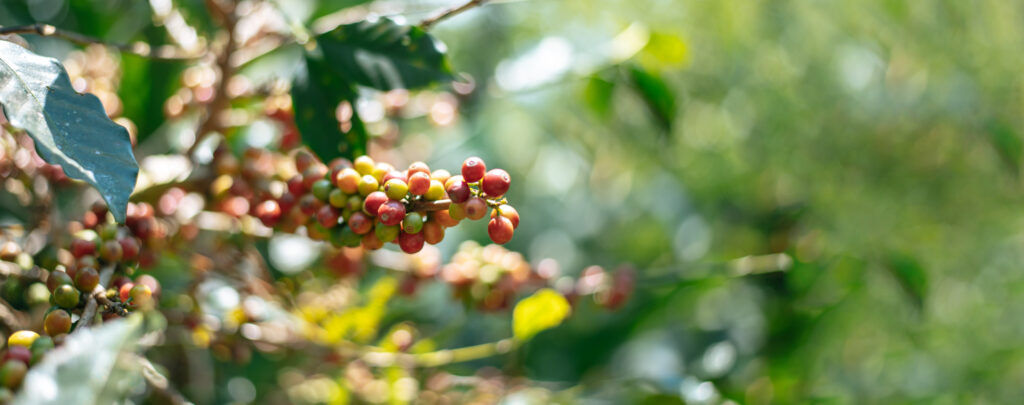
Where a coffee is grown shapes everything about it. Altitude, soil composition, rainfall, temperature variation between day and night — all of these influence how sugars develop in the coffee cherry and what flavour compounds end up in the bean.
High-altitude coffees from Ethiopia tend to be bright and fruit-forward. Brazilian coffees grown at lower elevations are typically nutty, chocolatey, and smooth. Colombian coffees often sit in between — balanced, sweet, and approachable. Central American coffees like those from Honduras or Guatemala can be complex and layered with stone fruit and brown sugar notes.
This is why origin matters on a coffee bag. It’s not just geography — it’s flavour information.
Processing Method
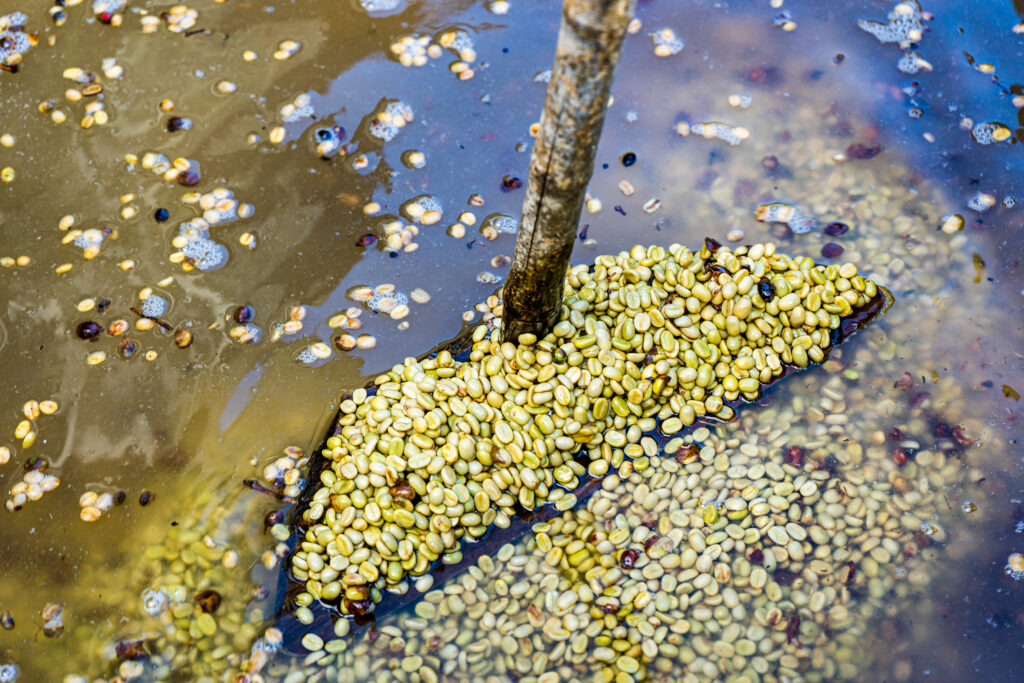
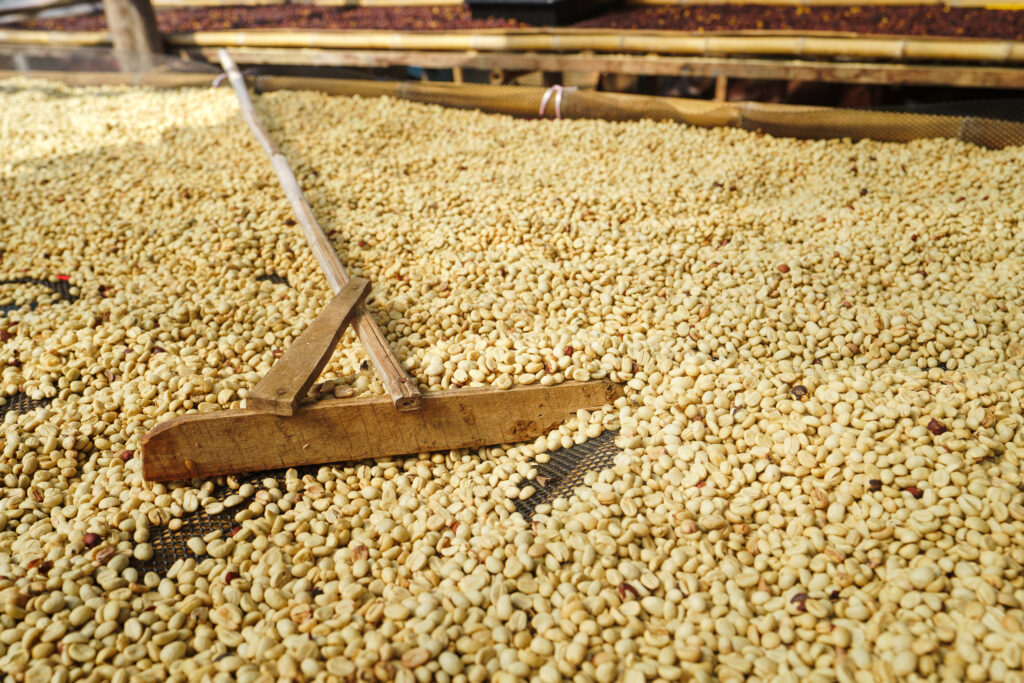
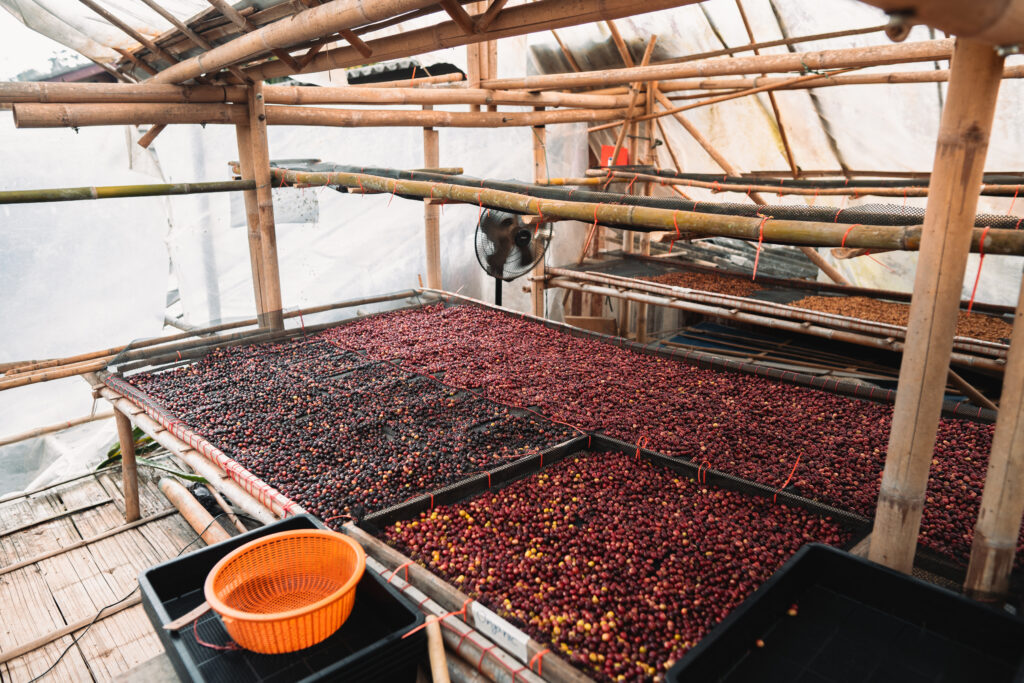
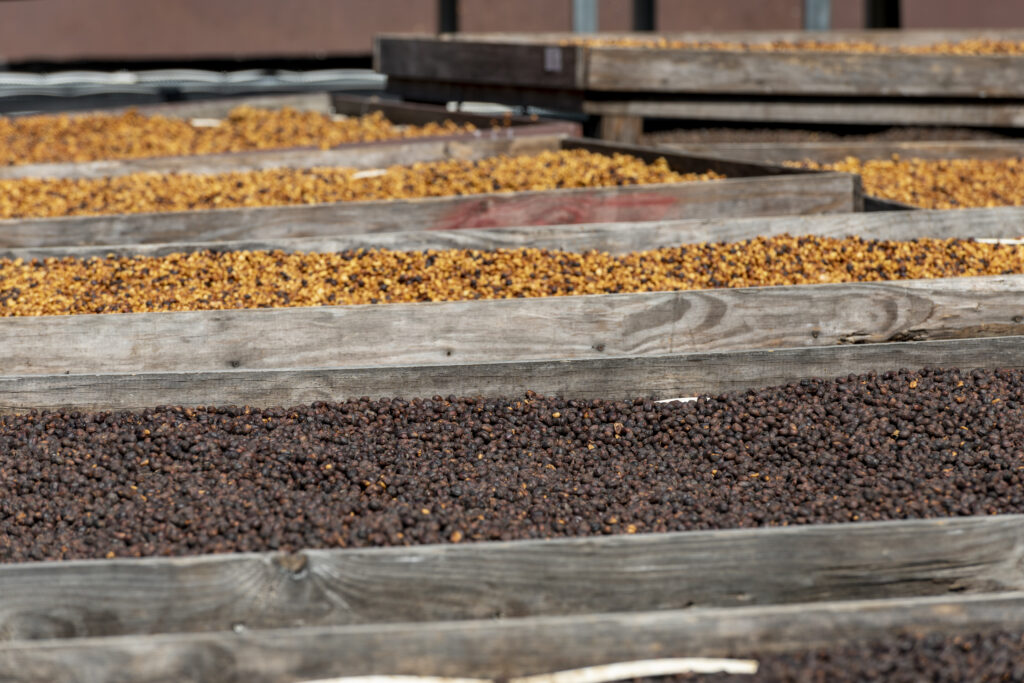
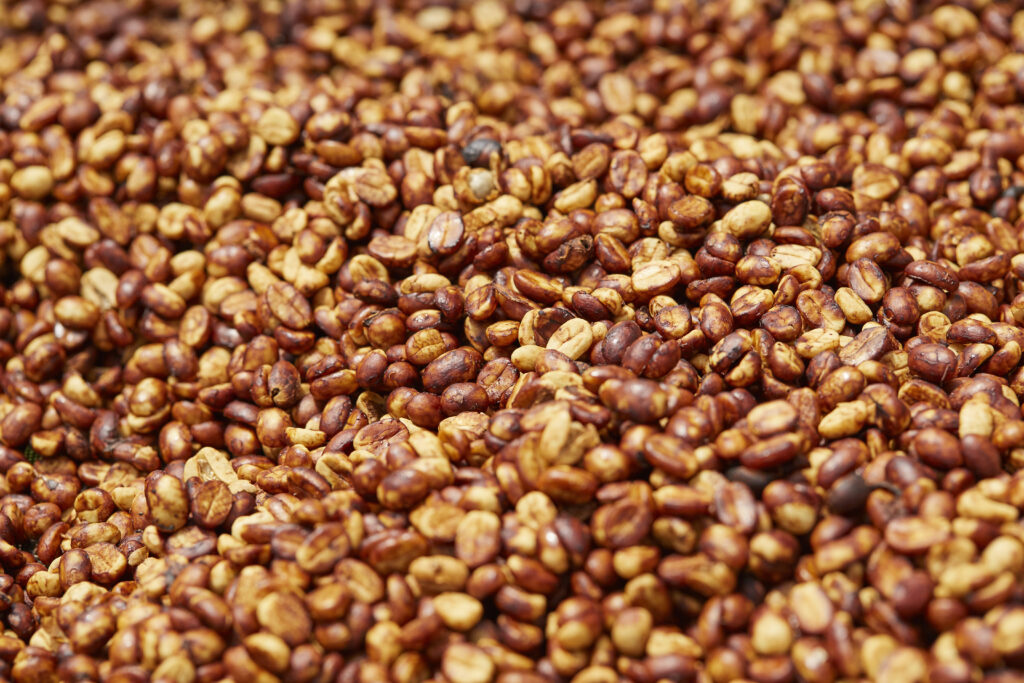
After the coffee cherry is harvested, the seed (the coffee bean) needs to be separated from the fruit. How that’s done is the processing method, and it has an enormous impact on the final flavour.
Washed (natural): The fruit is removed before drying. This produces cleaner, more transparent flavours — you taste the bean and origin clearly. Acidity tends to be bright and well-defined.
Natural (dry): The whole cherry is dried with the fruit intact. The bean absorbs sugars from the fruit as it dries, producing wilder, fruitier, often wine-like flavours. Natural coffees tend to be more intense and complex.
Honey process: A middle path — some fruit is left on the bean during drying. The result sits between washed clarity and natural intensity. Honey processed coffees are often described as sweet, smooth, and rounded.
Carbonic maceration: A newer technique borrowed from wine-making. Coffee cherries ferment in a sealed, CO₂-rich environment before processing. The result is often intensely fruity — we’re talking strawberry, lychee, and tropical fruit levels of intensity. Our Ethiopia Worka Carbonic Maceration is a good example of what this process can produce.

Specialty Coffee vs Commercial Coffee — The Real Difference
Commercial coffee — the kind found in most supermarkets and instant coffee products — is produced for volume, consistency, and price. Quality is secondary to yield. Robusta is commonly blended in for its higher caffeine content and lower production cost. Defective beans make it through. Roasting is often dark to mask inconsistencies in the green coffee.
None of that is necessarily wrong for what it is. But specialty coffee is built on a completely different set of priorities:
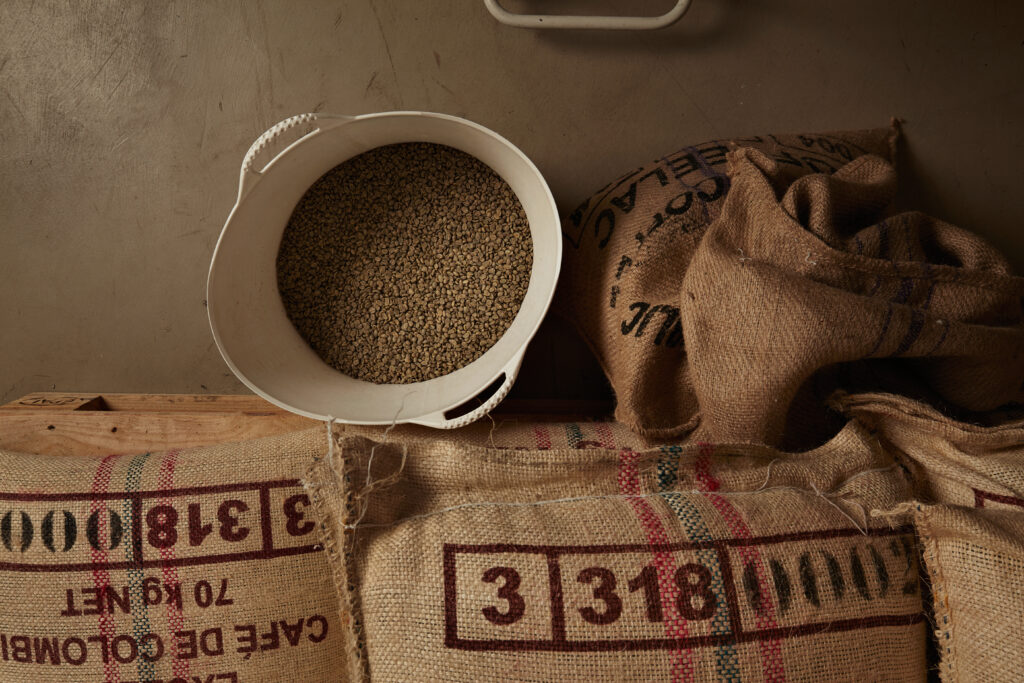
Traceability — you can identify the farm, the farmer, sometimes the specific lot and harvest date
Transparency — roasters like us publish origin information, processing method, and flavour notes because we stand behind what’s in the bag
Relationship — specialty roasters often buy directly from farmers or through importers who pay above-market prices, which supports better farming practices and better livelihoods
Freshness — specialty coffee is roasted to order or in small batches, and consumed within a meaningful window after roasting
When you buy a bag of specialty single origin from Lighthouse Coffee, you’re not just buying a commodity. You’re buying the result of careful farming, meticulous processing, skilled roasting, and an honest supply chain.
Does Specialty Coffee Always Taste Better?
Mostly — but taste is personal. Specialty coffee tends to be roasted lighter to preserve the origin character and complexity that earned it a high score. If you’ve grown up with dark-roasted commercial coffee, the brightness and fruitiness of some specialty coffees can feel unfamiliar at first.
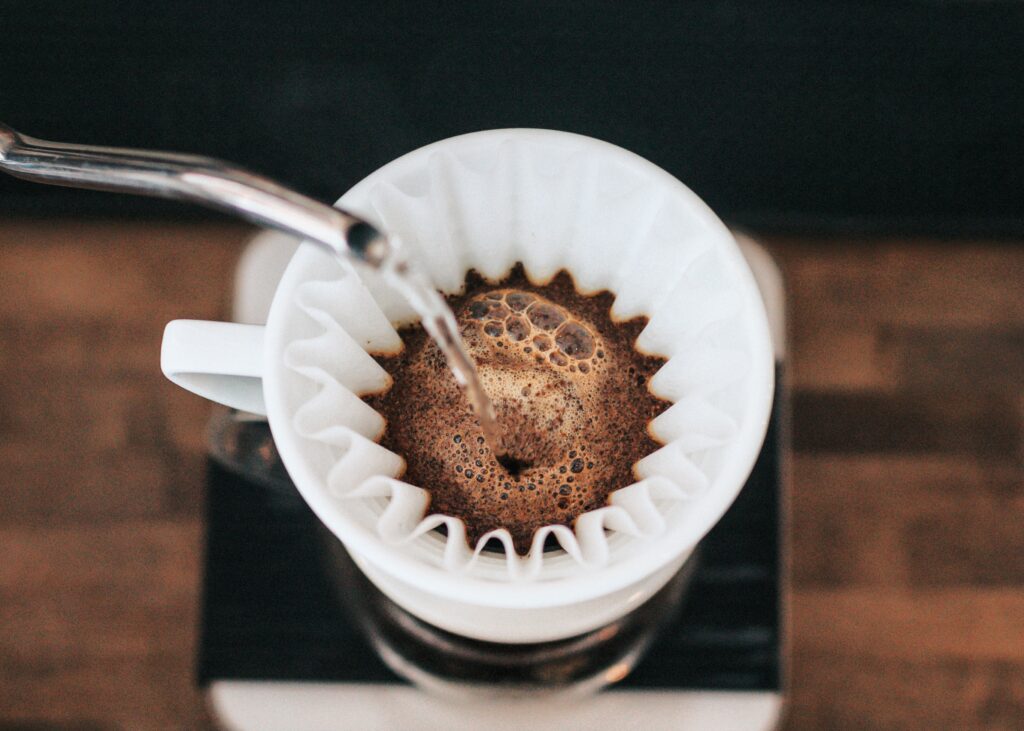
The key is finding the right coffee for your palate and your brewing method. A washed Ethiopian might be perfect for filter but feel thin as an espresso. A Brazilian natural might be exactly what you want in your morning flat white. Part of the joy of specialty coffee is the exploration.
That exploration is also exactly what our Roastery is here for. Whether you’re a complete beginner or a seasoned coffee drinker, we’re happy to help you find coffees that match your taste — and explain what you’re tasting and why.
Explore Our Specialty Coffee Range
At Lighthouse Coffee, we roast a range of HALAL-certified specialty coffees — from approachable signature blends to adventurous single origins from Ethiopia, Colombia, Honduras, and beyond. Every coffee we carry has been selected for quality and roasted in our certified facility in Perai, Penang.
Browse our coffee range or get in touch if you’d like a recommendation based on your brewing method and taste preferences.