



Tools to make drip coffee and brewing drip coffee
You already know that first cup of the morning does something for your mood. But research over the past decade suggests it may be doing something for your body too — something that goes well beyond caffeine.
Coffee is one of the richest dietary sources of antioxidants available to us. For many people in Malaysia, it is also the primary source of antioxidants in their daily diet. That is a significant finding, and it is worth understanding what it actually means.
This is not a post about miracle claims. It is about what the science genuinely says — clearly and honestly.
The Key Antioxidants in Your Coffee Cup
Coffee contains several bioactive compounds. The most researched include:
Chlorogenic Acids (CGAs)
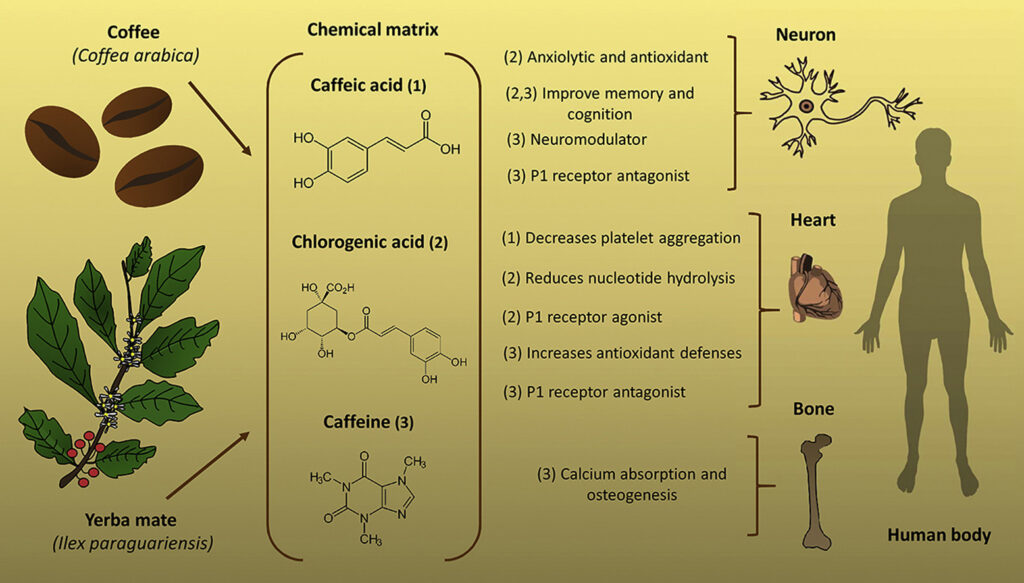
Chlorogenic acids are the primary antioxidant family in coffee and the most studied. A single cup of specialty coffee can contain between 200 and 550 mg of chlorogenic acids depending on variety, origin, and roast level.
Research published in Nutrients (2025) confirms that chlorogenic acids help lower blood pressure by improving endothelial function, increasing nitric oxide production, and reducing oxidative stress at the cellular level. A separate 2025 study found that consistent consumption of high-CGA coffee over 12 weeks was associated with measurable reductions in body fat and waist circumference compared to low-CGA coffee.
Melanoidins
Melanoidins are brown polymers formed during the roasting process — they are part of what gives roasted coffee its color and body. Unlike chlorogenic acids, which are partially degraded by heat, melanoidins are created by roasting. They have demonstrated prebiotic properties, supporting beneficial gut bacteria, as well as antioxidant and anti-inflammatory activity.
Trigonelline and Caffeic Acid
Trigonelline is a compound found in green coffee that breaks down during roasting to form niacin (vitamin B3) and other beneficial pyridines. Caffeic acid, a metabolite of chlorogenic acids, has shown anti-inflammatory properties in multiple studies. Together, these contribute to the broader antioxidant profile of brewed coffee.
What Does the Research Actually Show?
It is important to separate what research associates with coffee consumption from what it proves. Nutrition science deals largely in associations — observational data across large populations — rather than direct causation. That said, the associations are consistent and meaningful.
Inflammation: Multiple studies show that regular coffee drinkers have lower markers of systemic inflammation, including C-reactive protein (CRP). The chlorogenic acids and melanoidins in coffee appear to play a role in modulating inflammatory pathways.
Liver health: Coffee is one of the most robustly associated dietary factors with liver health. Regular consumption is linked to lower rates of liver fibrosis, cirrhosis, and non-alcoholic fatty liver disease across multiple large cohort studies.
Neurological health: A review published in Frontiers in Nutrition (2025) noted that the combined bioactive compounds in coffee — including chlorogenic acids and caffeic acid — show neuroprotective effects and are associated with reduced risk of Parkinson’s disease and cognitive decline in older adults.
Blood glucose regulation: Chlorogenic acids slow the absorption of glucose in the intestine and improve insulin sensitivity, a mechanism studied extensively in the context of type 2 diabetes prevention.
Does Roast Level Change the Antioxidant Content?
Yes — and this is something worth knowing if you care about getting the most from your cup.
Chlorogenic acids are heat-sensitive. Light roasts preserve significantly more chlorogenic acids than dark roasts, because the green bean spends less time at high temperatures. However, darker roasts produce more melanoidins through the roasting process, which have their own antioxidant and prebiotic value.
Neither roast is “better” — they offer different antioxidant profiles. What matters most is coffee quality and freshness. A well-roasted, freshly ground specialty coffee — regardless of roast level — will deliver far more intact compounds than stale or low-grade commercial coffee.
At Lighthouse Coffee, our roastery produces specialty-grade coffee roasted to order. Freshness is not optional here — it is fundamental to both flavour and nutritional quality.
How Much Coffee Is Reasonable?
Most research points to 2 to 4 cups per day as the range associated with the best health outcomes. Consuming coffee in this range is generally well-tolerated for healthy adults. Beyond 5 to 6 cups daily, some of the benefits plateau or reverse — particularly regarding sleep, anxiety, and cardiovascular stress.
Preparation method also matters. Unfiltered coffee (such as French press or boiled coffee) contains diterpenes like cafestol and kahweol, which can raise LDL cholesterol with excessive consumption. Filtered brewing — pour-over, espresso, drip — removes most of these compounds. If cholesterol is a concern, filtered methods are the better choice.
The Practical Takeaway
Coffee — real coffee, properly sourced and freshly roasted — is not just a morning habit. It is a meaningful source of bioactive compounds that the body uses. The research does not support sensationalised headlines in either direction. Coffee is not a cure, and it is not a threat. For most people, it is a genuinely beneficial part of a varied diet.
What matters is quality. Instant coffee, heavily processed blends, and coffees that have been sitting in a warehouse for months will not deliver the same profile of antioxidants as fresh specialty coffee. This is one reason the work of selecting, roasting, and delivering coffee carefully is not just about taste.
Explore Our Specialty Coffee Range
At Lighthouse Coffee Roastery in Perai, Penang, we roast HALAL and MeSTI-certified specialty coffee to order. Every bag is dated, and freshness is taken seriously at every step — from sourcing to delivery.
If you are a café owner looking for a consistent wholesale partner, or simply someone who wants better coffee at home, we would love to hear from you.
📞 WhatsApp us to ask about our current single origins, blends, and wholesale options.
Related reads: