What Is Natural Processing? How the Sun Turns Coffee Cherries into Flavor
Before coffee ever reaches a roaster, it goes through one of the most important — and often overlooked — stages of its journey: processing. The way a coffee cherry is handled after harvest has a profound effect on what ends up in your cup. And one of the most fascinating methods is the natural process — an ancient technique that lets the sun do most of the work.
In this post, we’ll walk you through exactly what natural processing is, how it works step by step, and why it creates those bold, fruity flavours that specialty coffee lovers tend to get very excited about.
What Is the Natural Process?
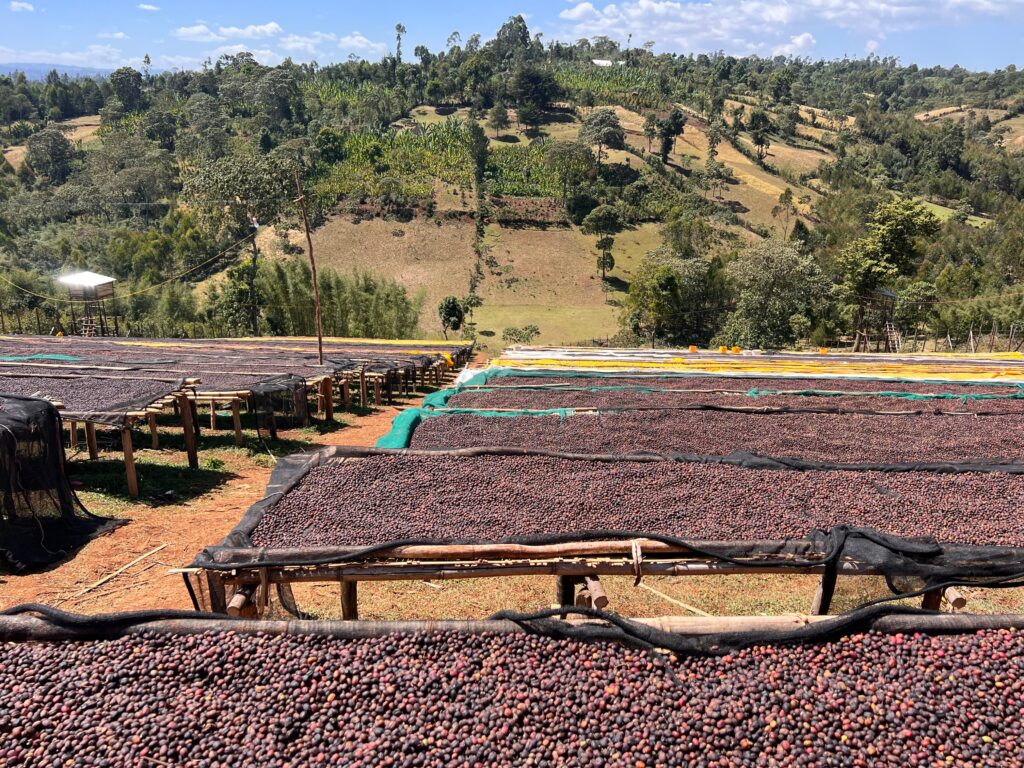
The natural process — also called the dry process — is the oldest known method of processing coffee. Unlike other methods that strip the fruit from the bean immediately after harvest, the natural process takes the opposite approach: the coffee cherry is dried whole, with the bean still inside the fruit.
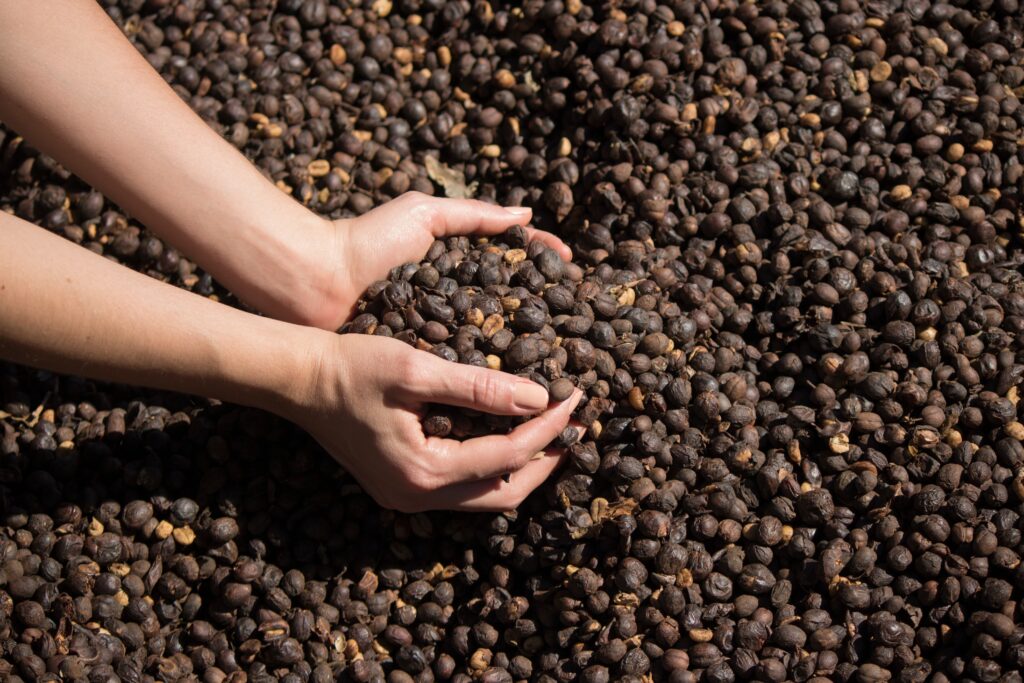
That means the bean spends weeks sitting inside its sugary, pulpy casing, slowly absorbing the flavours and sweetness of the surrounding fruit as it dries in the sun.
It sounds simple. And at its core, it is. But doing it well requires a great deal of skill, attention, and the right climate.
Where Is Natural Processing Used?
The natural process thrives in regions with strong sun, consistently warm temperatures, and low humidity. These conditions are critical — too much moisture in the air and the cherries are at risk of mould and uneven fermentation.
That’s why you’ll most commonly find naturally processed coffees from:
- Ethiopia — widely considered the birthplace of coffee, and where natural processing originated
- Yemen — one of the driest coffee-growing regions in the world
- Brazil — the world’s largest coffee producer, where flat terrain and dry seasons make natural processing practical at scale
- Costa Rica — which also popularised the related Honey process
Step by Step: How Natural Processing Works
1. Harvesting
It all begins at the farm. Cherries are picked when they reach peak ripeness — ideally a deep red colour, though this varies by variety. Selective hand-picking is preferred for quality, as it ensures only ripe cherries are selected.
2. Sorting
Before drying begins, cherries are sorted to remove unripe, overripe, or damaged fruit. Some producers use floatation tanks, where defective or underdeveloped cherries float to the surface and are removed. This step has a direct impact on the consistency of the final cup.
3. Spreading on Drying Beds
The sorted cherries are spread out in thin, even layers on raised drying beds or large patios. Raised beds are preferred in many specialty operations because they allow airflow from below, promoting more even drying.
4. Turning and Monitoring
This is where the real work begins. The cherries must be turned and raked regularly throughout the day — sometimes every few hours — to ensure even exposure to sunlight and airflow. Without this, the cherries can develop mould, ferment unevenly, or stick together and rot.
At night, or whenever rain threatens, the cherries are covered or moved indoors.
5. Weeks of Drying
Patience is essential. The drying process typically takes three to six weeks, depending on climate, altitude, and the thickness of the layers. Workers monitor the cherries closely throughout, watching for any signs of over-fermentation, mould, or uneven drying.
The target is a moisture content of around 10–11% — low enough to be stable for milling and export, but not so low that the beans become brittle and crack during hulling.
6. Resting
Once the cherries reach the target moisture level, they are often rested — left to stabilise before milling. This allows the moisture to distribute evenly throughout the batch.
7. Hulling
The dried cherries are then fed through a hulling machine, which strips away all the dried outer layers in one step: the skin, dried pulp, mucilage, and parchment — leaving behind the green coffee bean. Machine calibration here is important, as improper settings can crack or chip the beans, which counts against quality grading.
8. Sorting and Grading
After hulling, the green beans are sorted by size and density, and any defective beans are removed. They’re then bagged and prepared for export to roasters around the world.
What Does Natural Processed Coffee Taste Like?
The extended contact between the bean and the fruit during drying means the bean absorbs a significant amount of the cherry’s sugars and organic compounds. The result is a flavor profile that is distinctly different from washed coffees.
Naturally processed coffees are typically described as:
- Sweet — often intensely so, with a syrupy, full body
- Fruity — think blueberry, strawberry, mango, or tropical fruit
- Winey — a rounded, almost fermented depth that can resemble red wine
- Low to medium acidity — but mellow and soft, rather than sharp or bright
For drinkers used to washed coffees, a well-executed natural can feel like an entirely different experience. For many, it’s a gateway into the world of specialty coffee.
Natural vs. Washed vs. Honey: A Quick Comparison
| Natural | Washed | Honey | |
|---|---|---|---|
| Fruit removed? | No | Yes, immediately | Partially |
| Water needed | Very little | High | Moderate |
| Flavour profile | Fruity, sweet, winey | Clean, bright, terroir-forward | Sweet, balanced |
| Body | Full | Light to medium | Medium |
| Consistency | Harder to control | Most consistent | Moderate |
| Drying time | Longest (3–6 weeks) | Shorter | Medium |
What Are the Challenges?
Natural processing is not without its risks. The long drying period and the presence of fruit make the process highly susceptible to:
- Mould — if cherries are left too wet or piled too thick
- Over-fermentation — if cherries aren’t turned frequently enough, or drying conditions are too humid
- Inconsistency — unripe cherries mixed in with ripe ones will dry differently and introduce defects into the batch
This is why quality natural processing demands experienced hands. When it goes wrong, the results can be musty, sour, or off-flavoured. When it goes right — with ripe, uniform cherries, careful monitoring, and the right climate — it produces some of the most complex and memorable cups in the specialty world.
Why Does Processing Matter to You as a Coffee Drinker?
Understanding processing helps you make more informed choices when you’re buying coffee. The next time you see “natural process” on a bag, you’ll know you’re likely in for something sweet, full-bodied, and fruit-forward. If you’re in the mood for something clean and bright, a washed coffee might suit you better. If you want something in between, look for a honey process.
Processing is one of the most powerful tools a producer has for shaping the character of their coffee — even before it reaches a roaster, and long before it reaches your cup.
Explore Natural Processed Coffees at Lighthouse
At Lighthouse Coffee Roastery & Academy, we believe that understanding how your coffee was made is just as rewarding as enjoying it. If you’d like to learn more about processing methods, extraction, and the science behind what makes specialty coffee special, check out our SCA-certified courses at Lighthouse Coffee Academy.
Want to taste the difference for yourself? Ask us about our current offerings that feature naturally processed origins.