


That Little Circle on Your Coffee Bag Is Not a Sniff Hole
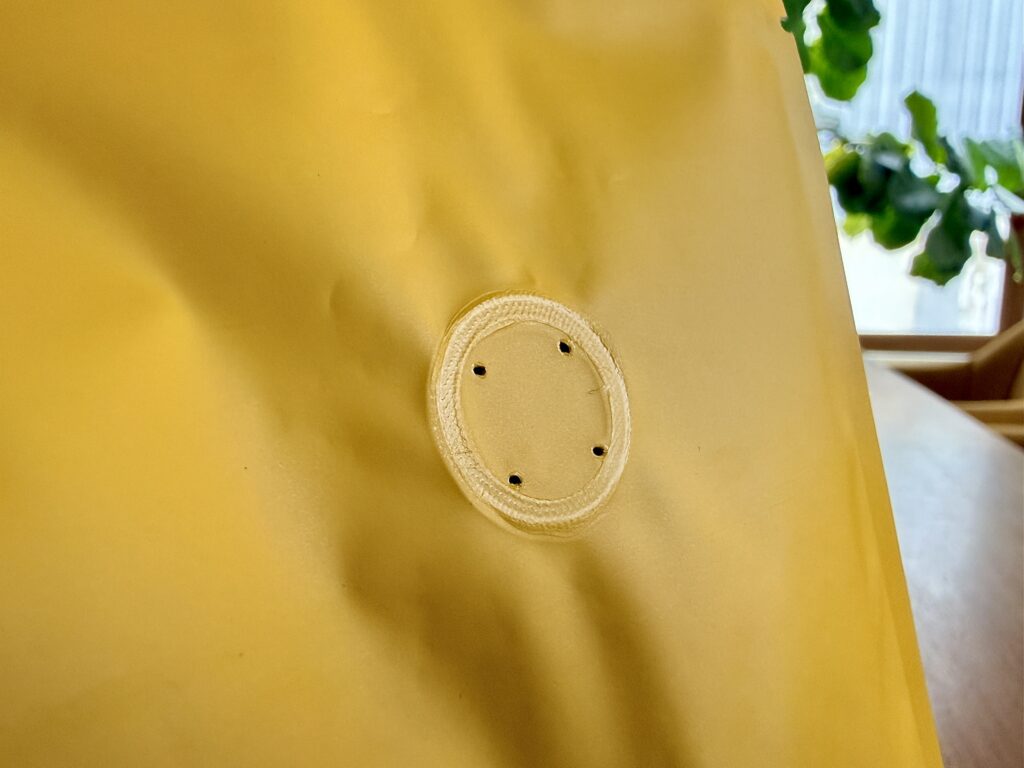
You’ve seen it. That small, round bump — sometimes with a tiny slit in it — sitting on the front or back of almost every bag of specialty coffee. You may have even pressed it, sniffed it, or quietly assumed it was some kind of built-in coffee-smelling feature.
It’s not.
That little circle has a real job, and once you understand what it does, you’ll look at your coffee bag very differently.
So What Is It?
It’s called a one-way degassing valve, and it is one of the most important pieces of packaging technology in specialty coffee.
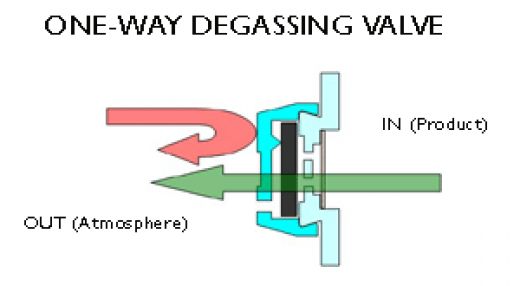
The key word is one-way. Gas can exit through it. Nothing can enter. It is not a vent hole. It is not decorative. And it is definitely not for smelling your coffee through the bag — though we understand the impulse.
Why Does Freshly Roasted Coffee Need to Release Gas?
Here’s what most people don’t know: freshly roasted coffee is alive with gas.
During the roasting process, coffee beans undergo a dramatic transformation. Heat drives out moisture, breaks down cellular structures, and triggers a cascade of chemical reactions — one of which produces a significant amount of carbon dioxide (CO₂). This isn’t a side effect. It’s a natural result of roasting.
After roasting, the beans continue to off-gas — releasing CO₂ slowly over several days, sometimes weeks. If you’ve ever opened a bag of freshly roasted coffee and noticed it looked slightly puffed up, that’s exactly what you’re seeing: CO₂ building up inside.
Here’s the Problem Without the Valve
If you sealed freshly roasted beans in an airtight bag with no valve, one of two things would happen:
- The bag would inflate and eventually burst — not ideal when you’re trying to ship 500 bags of single-origin Yirgacheffe.
- You’d have to leave the bag open — which means oxygen gets in, oxidising the beans, and your coffee goes stale within days.
Neither option works. The one-way degassing valve solves both problems elegantly: CO₂ escapes freely, oxygen cannot enter, and your coffee stays sealed and protected.
The One-Way Mechanism — How It Actually Works
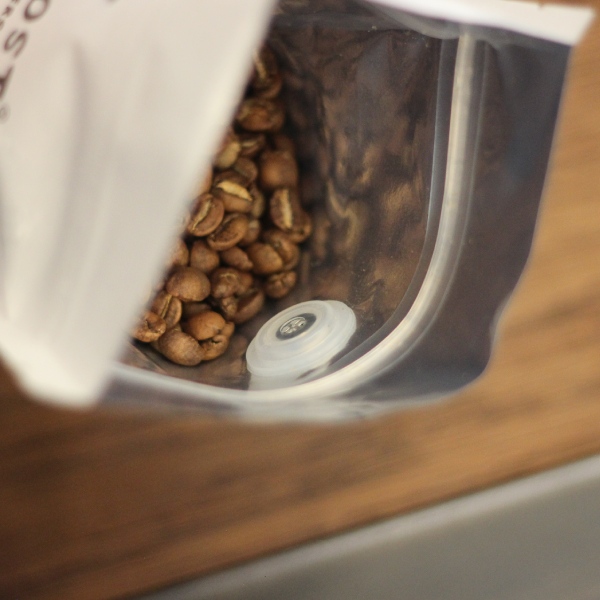
The valve is a small, pressure-sensitive disc typically made from a polymer or silicone material. It sits over a hole in the bag.
When CO₂ pressure inside the bag builds up enough, it pushes the disc open slightly and escapes. The moment pressure equalises, the disc snaps back into place, creating a seal. Because the outside atmospheric pressure is higher than the small burst of escaping gas, air cannot push its way back in.
It’s a simple piece of engineering doing a surprisingly important job — protecting your coffee from the moment it leaves the roaster until it reaches your cup.
Does the Valve Change Anything About How You Store Coffee?
Yes, and this is where a lot of people make a small but impactful mistake.
Some people tape over the valve, assuming it’s a gap that will let in air. It won’t — but covering it means CO₂ can no longer escape, which can cause pressure build-up and affect the integrity of the bag’s seal over time.
Others squeeze the bag through the valve to “test freshness.” While you can sometimes detect aroma this way, the valve was not designed as a smelling port. Excessive pressure can damage the disc mechanism.
The best thing you can do? Leave the valve alone. Store your bag upright, away from direct sunlight and heat, and let the valve do its work quietly.
Curious whether you should press or tape the valve closed for certain types of coffee? Read Chapter 2: Should You Seal the Valve? Whole Beans vs Ground Coffee →
Why This Matters More in Malaysia
In a tropical climate like Penang, ambient heat and humidity accelerate almost everything — including the rate at which coffee off-gases and oxidises. That makes the quality of your coffee’s packaging even more important here than it is in temperate countries.
A good one-way valve on a properly heat-sealed bag can meaningfully extend the flavour life of your coffee. A cheap or damaged valve can let in just enough oxygen to flatten a beautiful Ethiopian natural process into something that tastes like cardboard.
This is one of the reasons why at Lighthouse Coffee Roastery, we pay close attention to how our beans are packaged — not just what’s inside the bag.
How does Malaysia’s tropical climate specifically affect your coffee’s shelf life? Read Chapter 5: Living in the Tropics? Your Coffee Is Going Stale Faster Than You Think →
Quick Summary
| What you thought is was | What it actually is |
| A sniff hole | A one-way degassing valve |
| Decorative | Functional⏤release CO₂, blocks oxygen |
| Optional | Essential for maintaining freshness |
| Safe to cover | Best left untouched |
One Last Thing
Next time you pick up a bag of freshly roasted coffee, take a look at the valve. If it’s still slightly raised or you can feel a very gentle resistance when you press around it, that’s a sign your coffee is still actively off-gassing — which means it’s genuinely fresh.
That little circle is your coffee telling you it just came off the roaster. Listen to it.
Want to keep reading? This post is part of our series “The Secrets Inside Your Coffee Bag”:
- Chapter 1: That Little Circle on Your Coffee Bag Is Not a Sniff Hole ← You are here
- Chapter 2: Should You Seal the Valve? Whole Beans vs Ground Coffee →
- Chapter 3: What Happens to Your Coffee Bag on a Plane? →
- Chapter 4: Roast Date vs Expiry Date — Are You Reading the Right One? →
- Chapter 5: Living in the Tropics? Your Coffee Is Going Stale Faster Than You Think →